









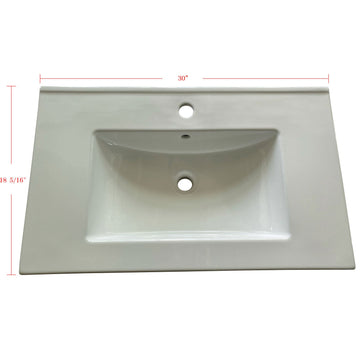
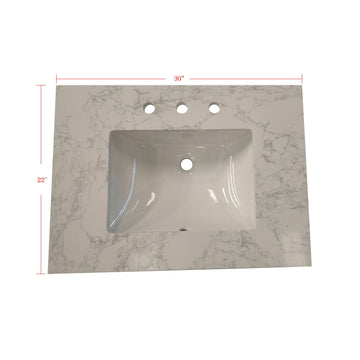
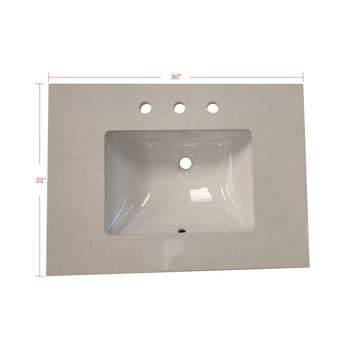

Kitchen sink dimensions matter more than most people expect. The right size sink affects how comfortable it is to wash large pots, how much usable counter space you keep, and whether your sink will actually fit your cabinet and countertop cutout. Get the measurements wrong, and you can end up with a sink that’s too deep for your plumbing, too wide for the base cabinet, or simply not compatible with your existing layout.
In this guide, we’ll break down common kitchen sink dimensions, explain what those numbers really mean, and show you exactly how to measure your current sink and cabinet space. You’ll also learn how to choose the best sink size for your cooking habits, kitchen style, and installation type, so you can buy with confidence.
Kitchen sink dimension guide
The key dimensions that matter
When comparing kitchen sink dimensions, you’ll usually see a few different measurements. Knowing what each one means helps you avoid buying a sink that looks right online but doesn’t fit in real life.
-
Overall length (left to right): the total width of the sink
-
Overall width (front to back): how far the sink extends toward the backsplash and toward you
-
Bowl depth: how deep the basin is (important for big pans and splash control)
-
Bowl size(s): the usable interior space inside each basin (often smaller than the overall size)
-
Drain location: centered or offset (affects plumbing alignment and storage below)
Standard kitchen sink sizes (most common ranges)
There isn’t one “standard” size, but these are the most typical kitchen sink dimension ranges you’ll see in stores:
-
Small kitchens / bar-style sinks: about 15–25 inches wide
-
Common single-bowl or double-bowl sinks: about 27–33 inches wide
-
Larger sinks for spacious kitchens: about 33–36 inches wide (sometimes more)
Front-to-back width is often around 18–22 inches, but it varies depending on the installation style and countertop depth.
Typical bowl depth (and what it feels like)
Depth changes how the sink functions day-to-day more than people think.
-
Shallow (about 6–7 inches): easier reach, less water capacity, can splash more
-
Medium (about 8–9 inches): the sweet spot for most homes
-
Deep (about 10–12 inches): great for large cookware, but can feel uncomfortable if you’re shorter or do lots of dishwashing
Also note: deeper bowls may reduce clearance for garbage disposals, trap assemblies, and pull-out trash bins inside the cabinet.
Undermount vs. drop-in vs. farmhouse: how installation affects dimensions
The same “size” can fit very differently depending on the sink type.
-
Drop-in (top-mount): the rim sits on the countertop; cutout size is smaller than the sink’s outer dimensions
-
Undermount: mounted under the countertop; cutout and reveal style (positive/negative/flush) change the effective opening
-
Farmhouse (apron-front): typically deeper front-to-back and requires a specific cabinet style and support; dimensions must match the base cabinet exactly
Single-bowl vs. double-bowl dimensions
-
Single-bowl sinks: maximize uninterrupted space for large pans and baking sheets
-
Double-bowl sinks: split the width into two basins; each side is smaller, but you gain separation (wash/rinse, prep/soak)
If you do a lot of meal prep, look closely at the bowl measurements. Not just the headline width, so you know whether a cutting board, colander, or sheet pan will fit comfortably.
If you tell me your base cabinet width (e.g., 30", 33", 36") and whether you want single or double bowl, I can suggest a sink width and depth range that typically fits without installation surprises.
How to measure your kitchen sink dimensions

Step 1: Identify what you’re measuring (sink vs. opening vs. cabinet)
Kitchen sink dimensions can refer to three different things, and mixing them up is a common mistake:
-
Sink size: the outer dimensions of the sink itself
-
Cutout/opening size: the hole in the countertop (especially important for drop-in and undermount)
-
Base cabinet size: the inside width of the cabinet the sink sits in (limits what can fit)
If you’re replacing an existing sink, measure all three whenever possible.
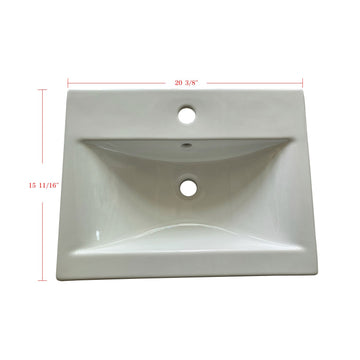
Step 2: Measure the sink’s overall length and width
-
Clear everything from around the sink rim.
-
Measure left to right across the outside edge for overall length.
-
Measure front to back across the outside edge for overall width.
Write these down as length × width (for example, 33" × 22"). These are the headline kitchen sink dimensions you’ll compare when shopping.
Step 3: Measure bowl dimensions (the usable interior)
Overall size doesn’t tell you how much working space you actually get, so measure the bowl too.
-
Measure the inside of the bowl left to right (interior length).
-
Measure the inside front to back (interior width).
-
Measure the bowl depth by placing a straight object (like a level) across the top of the bowl and measuring down to the bottom.
For double-bowl sinks, measure each bowl separately, one side is often larger.
Step 4: Measure the countertop cutout (critical for replacements)
If you’re keeping the same countertop, the cutout size is often the real “must match” measurement.
-
Drop-in sinks: the cutout is usually visible under the rim. Measure the opening left to right and front to back.
-
Undermount sinks: the cutout edge is hidden under the counter. If you can access the underside, measure the opening from below (or use the sink’s installation clips as reference points).
Tip: don’t assume a “33-inch sink” fits a “33-inch opening.” The cutout is typically smaller than the sink’s outer dimensions, and it varies by model.
Step 5: Measure the base cabinet opening (what your cabinet can actually hold)
This prevents buying a sink that physically can’t fit in the cabinet.
-
Open the cabinet doors under the sink.
-
Measure the inside width (left interior wall to right interior wall).
-
Measure the inside depth (front interior to back interior).
-
Note any obstructions: plumbing, disposal, filter systems, drawer rails, or corner braces.
Rule of thumb: your sink’s required minimum cabinet size must be less than your cabinet’s interior space (manufacturers list this as “minimum cabinet size”).
Step 6: Note faucet and accessory compatibility
These aren’t always part of “kitchen sink dimensions,” but they affect fit:
-
Number of faucet holes (if you’re using a deck-mounted faucet)
-
Rear deck width (space behind the bowl for faucet/soap dispenser)
-
Drain location (centered vs. offset) to match plumbing and maximize cabinet storage
Step 7: Double-check with the spec sheet
Before buying, compare your measurements to the sink’s manufacturer spec sheet:
-
Overall sink dimensions
-
Bowl dimensions and depth
-
Cutout template (for drop-in/undermount)
-
Minimum cabinet size
If you share your current sink type (drop-in, undermount, farmhouse) and your base cabinet width, I can tell you which measurements are the non-negotiables for your replacement.
How to choose the right sink for your kitchen

Start with your cabinet size (it sets the maximum)
Your base cabinet width is the main limiter for kitchen sink dimensions. Even if the countertop has space, the sink still has to fit and be supported inside the cabinet. Check the sink’s “minimum cabinet size” and make sure it’s comfortably below your cabinet’s interior width.
Match sink width to how you use the kitchen
-
25–30 inch sinks: good for smaller kitchens, condos, and light cooking
-
30–33 inch sinks: the most popular range for everyday use
-
33–36 inch sinks: ideal if you wash large pots, bake often, or want a roomier single bowl
If you regularly clean sheet pans, large cutting boards, or stockpots, prioritize a wider single bowl over a split double bowl.
Choose the right bowl setup (single vs. double)
-
Single-bowl: best for large cookware, fewer “fit” issues, easier to clean
-
Double-bowl: useful for multitasking (wash/rinse, prep/soak), but each bowl is smaller
A common compromise is a 60/40 double bowl, where one side is big enough for larger items.
Don’t overlook depth (comfort + plumbing clearance)
Deeper sinks hold more and hide dishes better, but they can be less ergonomic and may conflict with disposals and plumbing.
-
Around 8–9 inches deep: comfortable for most people
-
10–12 inches deep: great capacity, but measure cabinet clearance carefully
If you’re shorter or you do a lot of dishwashing, a slightly shallower depth can feel better day to day.
Pick an installation style that fits your countertop and budget
-
Drop-in: easiest replacement, usually most budget-friendly
-
Undermount: cleaner look and easy countertop wiping, but requires the right countertop material and precise cutout
-
Farmhouse (apron-front): statement look and roomy bowls, but needs the right cabinet and extra support
If you’re replacing a sink without changing countertops, matching the existing cutout style is often the simplest path.
Consider material and shape (function and maintenance)
Material doesn’t change kitchen sink dimensions, but it affects durability, noise, and care:
-
Stainless steel: practical, lighter, easy to fit/install, shows water spots more
-
Fireclay/cast iron: beautiful and durable, heavier, can require cabinet support
-
Composite granite/quartz: strong and quieter, but check heat/stain guidelines
Also consider corner radius: tighter corners look modern but require more scrubbing; rounded corners clean faster.
Wrapping up
Getting kitchen sink dimensions right comes down to measuring what you have, understanding what each number means, and choosing a size that fits both your cabinet and your daily routine. Focus on three essentials: the sink’s overall size, the bowl’s usable interior space, and the minimum cabinet size listed on the spec sheet.
Once those basics match, you can choose the bowl configuration, depth, and installation style that make your kitchen more comfortable to cook in and easier to clean without costly fit surprises.
FAQs
What size sink fits a 36-inch sink base cabinet?
Most 36-inch base cabinets can handle up to a 33-inch sink comfortably, but it depends on the sink’s listed “minimum cabinet size,” cabinet interior width, and whether you’re installing an apron-front model. Always verify using the manufacturer spec sheet, not just the sink’s advertised width.
Can I replace a drop-in sink with an undermount sink using the same countertop?
Sometimes, but it’s not a simple swap. It depends on your countertop material (solid surface/stone is usually required), whether the cutout can be modified cleanly, and if there’s enough support structure under the counter. Many homeowners end up needing countertop work (or a new countertop) to do this properly.
Do sink dimensions include the rim, apron, and accessories?
Usually the advertised dimensions refer to the outer sink body, but what’s “included” varies by brand and style. Farmhouse/apron-front sinks often list apron depth separately, and drop-in rims can add width that affects fit. For accuracy, use the spec sheet and look for both “overall dimensions” and the “cutout template” measurements.