








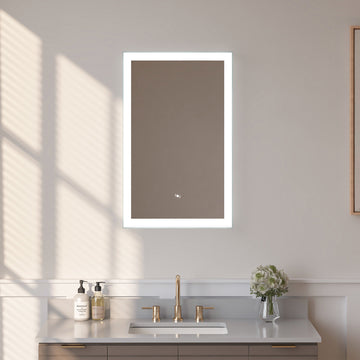
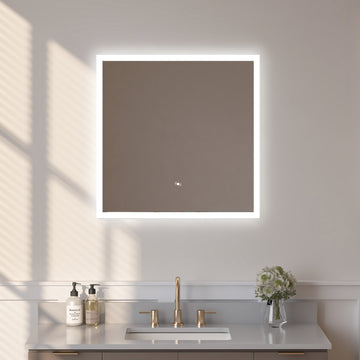
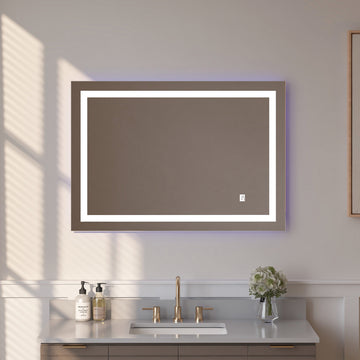
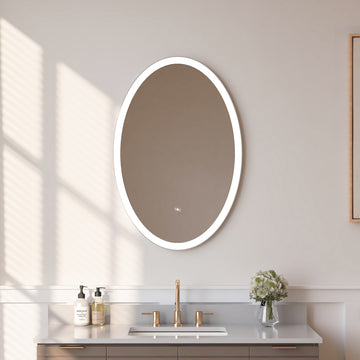


Antique brass brings warmth and character to bathrooms without the bright, modern shine of polished finishes. You'll find it on bathtubs, faucets, vanity hardware, and mirrors. The finish creates a soft, aged look that suits traditional, vintage-inspired, and transitional bathroom designs.
This article covers what antique brass is, how it differs from other brass finishes, and why designers choose it for bathroom fixtures. You'll also learn about cleaning, polishing, costs, and maintenance. By the end, you'll know if antique brass fits your bathroom space.
What is antique brass
Antique brass mimics the look of aged, timeworn brass. The finish features a darker tone with muted highlights instead of a bright, reflective surface. It resembles brass that has oxidized naturally over time, with subtle variations in color and depth.
Most antique brass isn't raw or untreated metal. Manufacturers apply chemical or mechanical processes to brass or brass-plated materials. This darkens the surface and softens the shine, creating an older appearance. The result looks warmer and less polished than standard brass.
Antique brass differs from polished brass in key ways. Polished brass is smooth, bright, and reflective. Antique brass is intentionally dulled. The aged look hides fingerprints, water spots, and minor wear. That's why you see it on bathroom faucets, bathtub trim, vanity hardware, and mirrors.
Antique brass vs. unlacquered brass

People confuse antique brass with unlacquered brass, but they age differently. Antique brass has a controlled, consistent aged look. Manufacturers set the color during production, and it changes slowly with use.
Unlacquered brass is raw brass with no protective coating. It starts bright and darkens as it reacts with air, moisture, and touch. This natural aging creates a living patina that evolves over time. Bathrooms accelerate this process due to high humidity.
Antique brass offers predictable appearance with low maintenance. Unlacquered brass changes color and develops uneven patina. Both work in bathroom design but serve different needs for appearance and upkeep.
Antique brass furniture and bathroom fixtures
Antique brass appears on various bathroom furniture and fixtures. The finish looks consistent, but its function varies by application. Here's where you'll find antique brass and what to expect from each.
Antique brass bathtubs
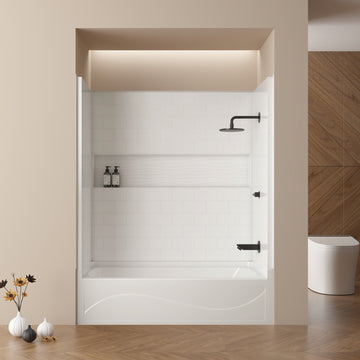
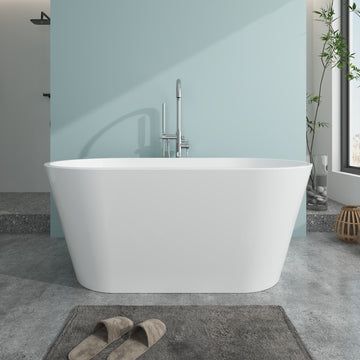
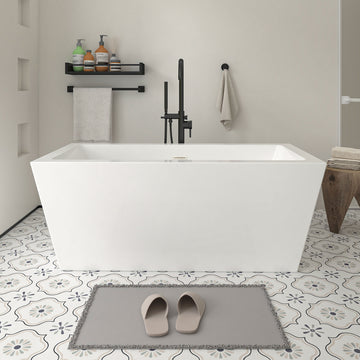
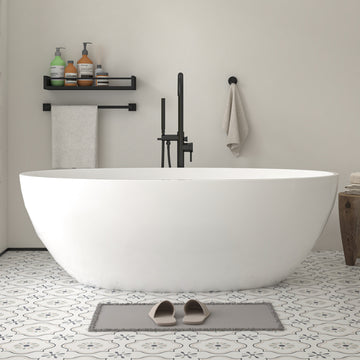
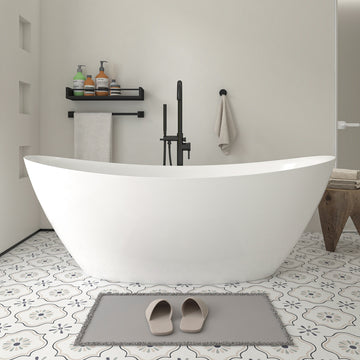
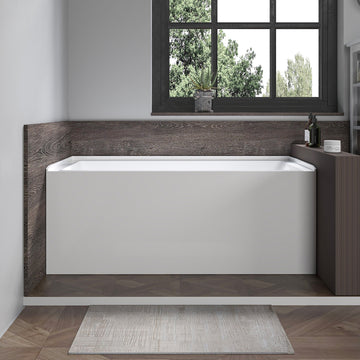
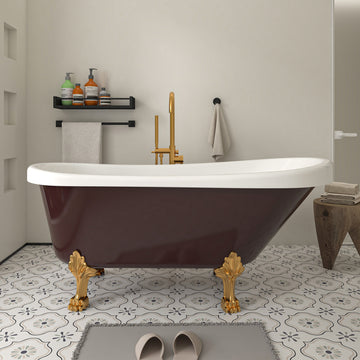
Antique brass bathtubs feature the finish on decorative elements, not the bathing surface. Look for it on clawfoot feet, exterior panels, trim bands, and exposed plumbing. The aged tone complements traditional tub shapes and adds visual weight to freestanding designs.
The finish serves aesthetic purposes. It doesn't affect water contact or cleaning inside the tub. Exterior surfaces need gentle care to preserve the finish.
Antique brass vanities and storage pieces
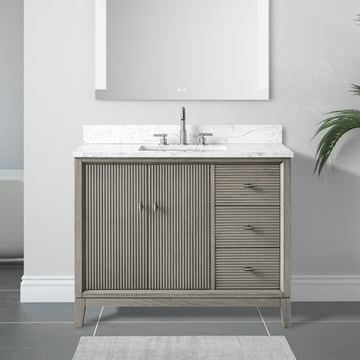
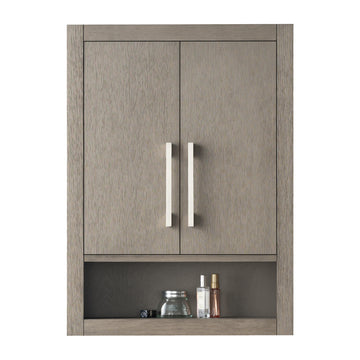
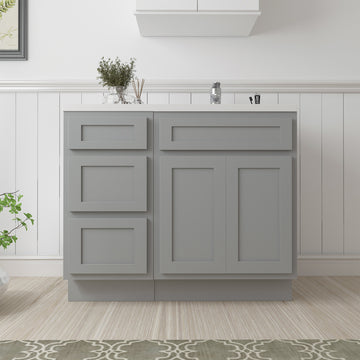
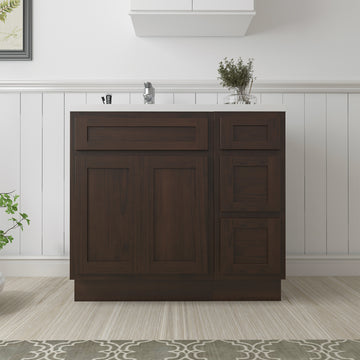
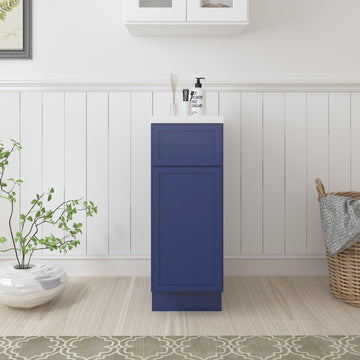
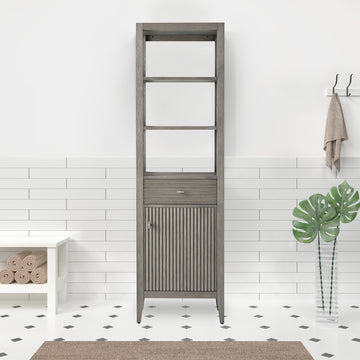
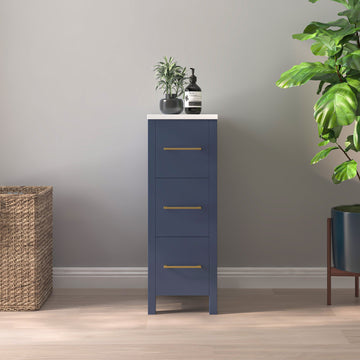
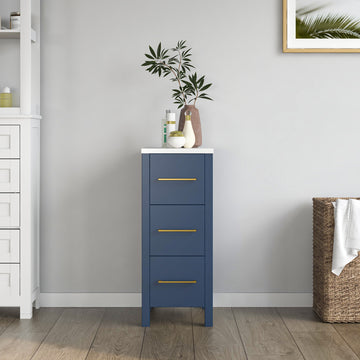
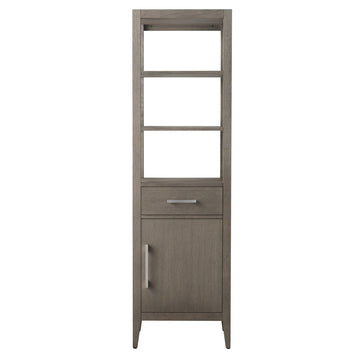
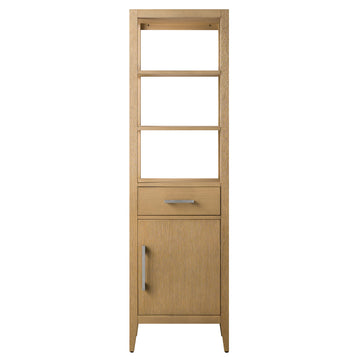
Bathroom vanities use antique brass on hardware: drawer pulls, handles, legs, and framing details. Vanity mirrors and shelving units also feature antique brass accents. These elements create contrast against wood, stone, or painted surfaces without glare.
Vanity hardware gets touched frequently. Wear patterns develop over time but blend into the aged look instead of standing out.
Antique brass faucets and shower fixtures
Faucets, shower valves, and exposed pipework showcase antique brass prominently. The finish softens metal's appearance and hides water marks better than brighter finishes. Moisture and cleaning products affect these fixtures daily, so finish durability varies by manufacturer.
Antique brass faucets need consistent, gentle maintenance. Without it, the surface fades unevenly or gets damaged.
Other antique brass bathroom elements
Antique brass appears on smaller bathroom furnishings: mirror frames, towel bars, robe hooks, lighting fixtures, and cabinet accents. These pieces introduce the finish without committing to large fixtures.
Smaller antique brass accessories create visual continuity while balancing the space. They're easier to update when design preferences change.
Antique brass alternatives
Antique brass isn't your only option for warm, aged finishes in bathrooms. Several alternatives offer similar aesthetics with different maintenance needs and color profiles.
Oil rubbed bronze
Oil rubbed bronze delivers a darker, richer tone than antique brass. It features deep brown and black undertones with copper highlights. The finish hides water spots and fingerprints well. It pairs with darker wood tones and creates stronger contrast than antique brass.
Oil rubbed bronze requires similar gentle cleaning. The finish can wear through with heavy use, revealing lighter bronze underneath.
Brushed brass
Brushed brass offers warmth without the aged look. The finish has a matte surface with visible linear texture. It's lighter and brighter than antique brass but less reflective than polished brass.
Brushed brass shows fewer fingerprints than polished finishes. It suits contemporary and transitional spaces where warmth matters but aged patina doesn't.
Unlacquered brass
Unlacquered brass starts bright and develops natural patina over time. Unlike antique brass with its controlled aged look, unlacquered brass changes continuously. Humidity, touch, and cleaning products accelerate the aging process.
This option requires accepting ongoing color change. The patina develops unevenly, creating unique character. Maintenance involves more decision-making about when to polish and when to let it age.
Brushed nickel
Brushed nickel provides a cool-toned alternative. The silver-gray finish has a soft matte texture. It's more neutral than brass finishes and coordinates with various color schemes.
Brushed nickel resists fingerprints and water spots better than most finishes. It requires minimal maintenance and stays consistent over time.
Aged copper
Aged copper offers warmth with reddish-brown tones. The finish develops a natural patina similar to unlacquered brass but with different color progression. Copper oxidizes to green-blue tones in high-moisture environments.
This finish creates bold visual interest. It needs acceptance of significant color change in bathrooms.
Matte black
Matte black creates contrast without warmth. The finish suits modern and industrial bathroom designs. It hides imperfections and provides clean lines.
Matte black shows water spots and soap residue more than aged brass finishes. It requires frequent wiping to maintain appearance.
Each alternative serves different design goals. Consider your bathroom's style, maintenance willingness, and whether you want warm or cool tones before choosing.
How to polish antique brass
Polishing antique brass differs from polishing regular brass. The goal isn't shine. Over-polishing removes the aged surface and permanently changes the finish.
First, identify whether your antique brass is sealed or unsealed. Most bathroom fixtures have a protective coating. Polishing sealed surfaces damages the coating instead of improving the finish.
For light polishing, use a soft, dry microfiber cloth. Gently buff the surface to remove dust and restore warmth without altering the patina. This works for fixtures in good condition.
Need slightly deeper cleaning? Use a damp cloth with mild soap and water, then dry immediately. Skip abrasive pads, metal polishes, or products designed for polished brass. These strip the antique finish and expose bright metal underneath.
Unsealed antique brass accepts minimal polishing, but results vary. Test any method on a hidden area first. Preserve the aged look—don't chase shine.
How to clean antique brass

Cleaning antique brass means removing dirt without disturbing the finish. Regular, gentle cleaning preserves the surface and prevents uneven wear.
For routine cleaning, wipe with a soft cloth dampened with warm water. This removes dust, fingerprints, and light residue. Dry thoroughly to prevent water spots.
For deeper cleaning, mix mild dish soap with warm water. Apply with a soft cloth, rinse with clean water, and dry completely. This method works for most sealed antique brass bathroom finishes.
Skip acidic cleaners, vinegar, lemon juice, ammonia, and harsh bathroom chemicals. These react with brass finishes and cause discoloration or patchy fading.
In humid bathrooms, consistent cleaning beats aggressive cleaning. Gentle, frequent care maintains the aged appearance.
An old-timey classic
Antique brass is a finish defined by appearance, not performance. Its aged look, muted tone, and soft reflections suit bathrooms that prioritize warmth and visual depth over high shine.
You now know what antique brass is, how it differs from other brass finishes, where it appears in bathrooms, and how to clean and maintain it. With realistic expectations, antique brass stays consistent and functional over time. Understanding the finish, maintenance needs, and design fit makes the difference.