






















An undermount sink is a popular choice for both kitchens and bathrooms because it creates a clean, seamless look. Installed beneath the countertop, this sink style keeps edges smooth and makes daily cleanup easier. Still, choosing the right undermount sink is not always simple. Size, material, cabinet fit, and installation details all matter more than many homeowners expect.
This undermount sink guide breaks down the essentials in a clear, practical way. You will learn how undermount sinks work, what options are available, and what to watch for before buying. Whether you are planning a full remodel or replacing an old sink, this guide will help you make a confident, well-informed decision.
What are undermount sinks
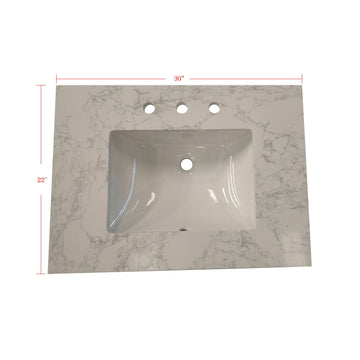
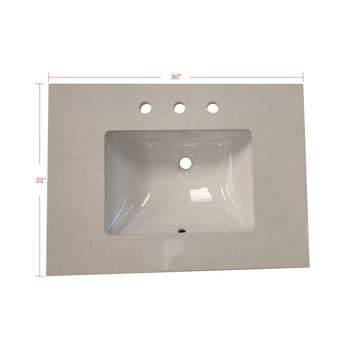
Undermount sinks are sinks that are installed underneath the countertop rather than sitting on top of it. The sink rim is hidden below the counter surface, leaving a smooth edge that flows directly into the sink bowl. This design is commonly used in modern kitchens and bathrooms, but it also works well in transitional and minimalist spaces.
In kitchens, undermount sinks are valued for easy cleaning. Food crumbs and water can be wiped straight from the countertop into the sink without catching on a raised edge. This makes them especially popular with solid surface, quartz, granite, and marble countertops. Bathroom undermount sinks offer similar benefits, creating a sleek vanity surface and a more polished appearance.
Unlike drop-in sinks, undermount sinks rely on strong mounting systems and adhesive support. Because of this, they must be installed with compatible countertop materials and proper cabinet support. While they tend to cost more than top-mount options, many homeowners choose them for their cleaner look, improved hygiene, and long-term durability when installed correctly.
Undermount sinks guide
Choosing the right undermount sink involves more than picking a shape that looks good. Different types, sizes, materials, and buying considerations can affect daily use, installation, and long-term performance. This part of the undermount sink guide covers each factor in detail to help you narrow down the best option for your space.

Types
Undermount sinks come in several types, mainly defined by bowl configuration and intended use.
Single-bowl undermount sinks are common in kitchens. They offer a large, uninterrupted basin that can handle oversized cookware and baking trays. This type is ideal for users who prioritize washing space over separation.
Double-bowl undermount sinks feature two basins in one unit. These can be evenly split or have one larger and one smaller bowl. They work well for multitasking, such as washing dishes on one side and rinsing food on the other. However, each bowl will be smaller than a single-basin sink of the same overall width.
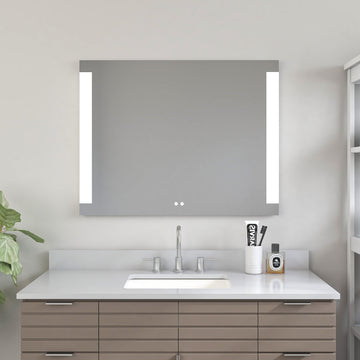
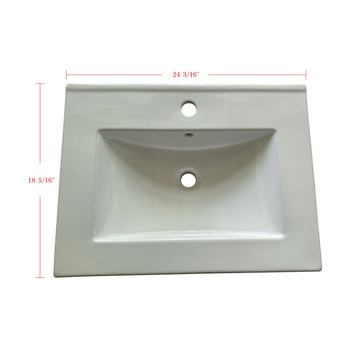
In bathrooms, undermount sinks are usually single-bowl and more compact. Shapes vary from oval and round to rectangular designs. Bathroom undermount sinks focus more on appearance and fit rather than capacity, but depth still matters for splash control.
There are also workstation undermount sinks, mostly for kitchens. These include built-in ledges for accessories like cutting boards, drying racks, or colanders. While more expensive, they can improve efficiency in smaller kitchens.
Sizes guide
Size is one of the most critical factors in an undermount sink guide. An undermount sink must fit the cabinet base, countertop cutout, and plumbing layout.
For kitchen undermount sinks, common widths range from about 24 inches to 36 inches. A 30-inch sink is often considered a practical middle ground, fitting most standard base cabinets while offering enough bowl space. Larger sinks require wider cabinets and may limit storage below.
Depth also plays an important role. Most undermount kitchen sinks range from 8 to 10 inches deep. Deeper sinks can hold more dishes and reduce splashing, but they may be uncomfortable for shorter users if installed too low.
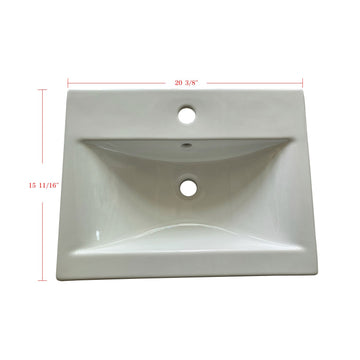
Bathroom undermount sinks are smaller, usually between 14 and 20 inches wide. Depth is typically shallower than kitchen sinks, often around 5 to 7 inches. This helps maintain comfortable handwashing height and prevents water from pooling too deeply.
Always measure cabinet interior width, not just the exterior size. Leave room for mounting hardware and plumbing connections when choosing sink dimensions.
Materials
Material choice affects durability, maintenance, noise level, and overall appearance.
Stainless steel is the most common material for undermount kitchen sinks. It is lightweight, resistant to heat, and easy to clean. Thicker steel, indicated by a lower gauge number, offers better durability and noise reduction. Many stainless steel sinks include sound-dampening pads to reduce vibration.
Granite composite sinks are made from crushed stone and resin. They are durable, resistant to scratches, and available in various colors. These sinks are heavier than stainless steel and require proper cabinet support, but they offer a solid, high-end feel.
Fireclay and ceramic undermount sinks are more common in bathrooms but can also be used in kitchens. They provide a smooth, glossy finish and strong stain resistance. However, they are heavier and more prone to chipping if impacted.
Cast iron sinks with enamel coating are extremely durable and long-lasting. They retain heat well and have a classic appearance. The downside is their weight, which demands reinforced cabinetry and careful installation.
Buying guides
When buying an undermount sink, start with countertop compatibility. Undermount sinks work best with solid surfaces like granite, quartz, and concrete. Laminate countertops usually do not support undermount installation without special treatment.
Next, consider daily usage. A busy kitchen may benefit from a single large bowl or a workstation sink, while a bathroom sink should prioritize splash control and fit. Think about who will use the sink most and how often.
Check mounting requirements and weight limits. Heavier materials need strong brackets and solid cabinet construction. Poor support can lead to sink failure over time.
Drain placement is another detail often overlooked. Rear-set drains create more usable bowl space and improve drainage, especially in kitchen sinks.
Finally, balance budget and longevity. Cheaper undermount sinks may save money upfront but could lack proper insulation, finishing, or durability. Investing in a well-made sink often results in fewer issues and better performance over the years.
Installation guide

Installing an undermount sink requires precision, proper tools, and careful planning. Unlike drop-in sinks, undermount sinks rely entirely on mounting hardware and adhesive support. Mistakes during installation can lead to leaks, misalignment, or long-term structural issues.
The process usually starts with countertop preparation. The countertop must be cut accurately to match the sink dimensions and reveal style. Undermount sinks can be installed with a flush, positive, or negative reveal, depending on how much of the sink edge is exposed. This choice affects both appearance and cleaning ease.
Next comes sink positioning and support. The sink is placed under the countertop and held in position using mounting clips, brackets, or a rail system. A high-quality silicone sealant is applied between the sink rim and the countertop to create a waterproof seal. For heavier sinks, temporary supports or braces are often used until the adhesive fully cures.
Once the sink is secured, plumbing connections are installed. This includes attaching the drain assembly, garbage disposal if applicable, and water supply lines. Proper alignment is critical to prevent stress on pipes and fittings. After installation, the sink should be tested with running water to check for leaks and drainage issues.
Because undermount sink installation is more complex than other sink types, many homeowners choose professional installation. This is especially recommended for stone countertops or heavy sink materials. A properly installed undermount sink will remain stable, sealed, and functional for many years.
Alternatives to undermount sinks
While undermount sinks offer a clean and modern look, they are not the right solution for every space or budget. Several other sink types may be better suited depending on countertop material, installation preferences, and overall design goals.
Top-mount sinks, also known as drop-in sinks, are the most common alternative. These sinks sit on top of the countertop with a visible rim. They are easier to install and work well with laminate countertops. Top-mount sinks are often more affordable, but the raised edge can collect debris and make cleaning slightly harder.
Farmhouse sinks, sometimes called apron-front sinks, feature an exposed front panel that extends beyond the cabinet. They can be installed as undermount or top-mount, depending on the design. Farmhouse sinks offer a bold, traditional look and deep basins, but they require custom cabinetry and careful planning.
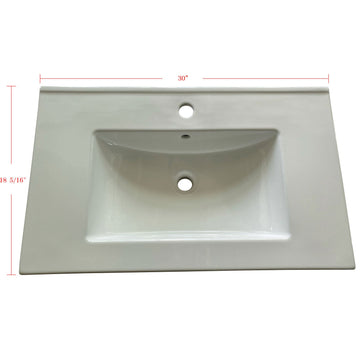
Integrated sinks are made from the same material as the countertop and are molded as a single piece. This creates a seamless surface with no joints. Integrated sinks are commonly found in solid surface bathroom vanities. They are easy to clean but usually cannot be replaced without changing the entire countertop.
Vessel sinks are mainly used in bathrooms. These sinks sit on top of the vanity and act as a visual focal point. While stylish, vessel sinks can splash more easily and require precise faucet height selection.
Each alternative has its own strengths, and understanding these options helps ensure the right choice for your specific needs.
Wrapping up
Choosing the right sink plays a major role in both function and design. An undermount sink offers a streamlined appearance, easy maintenance, and strong compatibility with modern countertops. However, size, material, installation, and daily usage should always guide the final decision.
This undermount sink guide has covered the basics, from understanding what undermount sinks are to comparing types, materials, and alternatives. With the right planning and proper installation, an undermount sink can be a long-lasting and practical upgrade for both kitchens and bathrooms.