
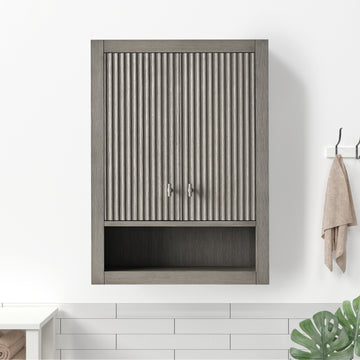
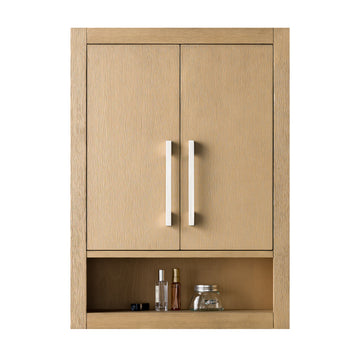
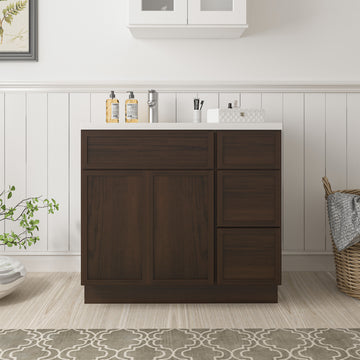
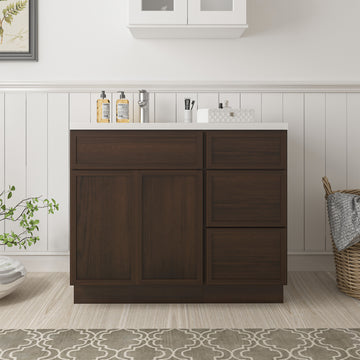
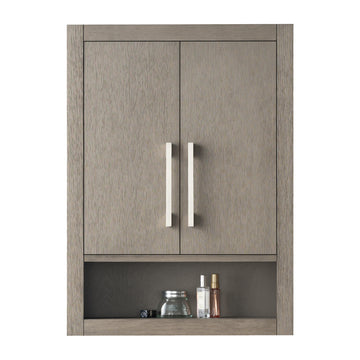
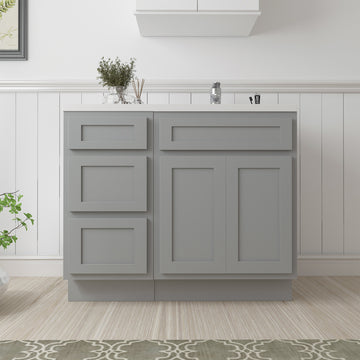
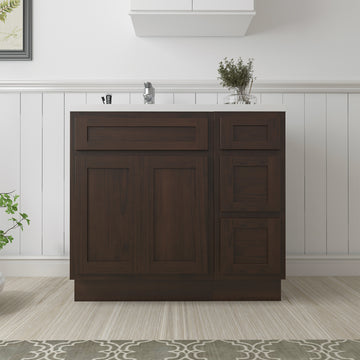

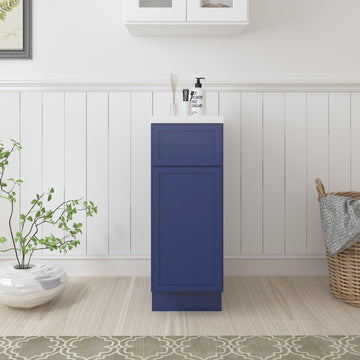







Choosing the right cabinetry is one of the most important decisions you'll make during a kitchen renovation. Cabinets set the tone for the entire space, drive a significant portion of your budget, and need to work hard every single day. Understanding the different kitchen cabinet types — from basic box construction to fully custom builds, and from traditional raised-panel doors to sleek slab fronts — gives you the confidence to shop smart and avoid costly surprises. This guide breaks down everything you need to know so you can walk into the planning process ready to make decisions that you'll love for years to come. Before you dive in, consider mapping out your layout first using our free kitchen planner so every measurement and cabinet choice has a real home to land in.
The Three Main Kitchen Cabinet Types by Construction
Cabinet construction defines quality, durability, and price range more than almost any other factor. There are three primary categories to understand.
Stock Cabinets
Stock cabinets are pre-built in standard sizes and shipped ready to install. They come in fixed width increments — typically 3-inch jumps from 9 inches up to 48 inches wide — and are available in a limited range of finishes and door styles. Because they're manufactured in bulk, they're the most affordable option and often available for quick delivery or even same-day pickup.
The trade-off is flexibility. If your kitchen has an unusual footprint or you want something highly specific, filler strips and creative planning become necessary to close gaps. Stock cabinets work beautifully in standard-sized kitchens and are a popular choice for budget-conscious renovations that still want a polished result.
Semi-Custom Cabinets
Semi-custom cabinets hit the sweet spot for most homeowners. They're produced by a manufacturer but offer a wider range of sizes, finishes, interior accessories, and door styles than stock options. You get meaningful flexibility — say, a cabinet that's 26 inches wide instead of 24 or 27 — without the lead time and price tag of a fully custom build.
Semi-custom lines typically include specialty pieces like pull-out shelves, built-in organizers, and varied height options that make the finished kitchen feel intentional and tailored. This is the category where most mid-range to upper-mid-range kitchen remodels live.
Custom Cabinets
Custom cabinets are built from scratch to your exact specifications by a cabinetmaker or specialized manufacturer. Every dimension, wood species, finish, interior configuration, and hardware placement is chosen by you. This is the right path for unusual room layouts, high-end design visions, or kitchens with architectural quirks that standard sizing simply can't accommodate.
Custom work comes with a longer lead time — often 6 to 12 weeks or more — and a substantially higher price point. The reward is a kitchen that fits perfectly and reflects your personal style without compromise.
Face-Frame vs. Frameless Cabinets
Beyond the construction tier, cabinets are also categorized by their box style. This choice has a major impact on both aesthetics and interior access.
Face-Frame Cabinets
Face-frame construction attaches a solid wood frame to the front of the cabinet box. Door hinges mount to this frame, and the frame itself is visible around the doors and drawers. This style is rooted in American cabinetmaking tradition and is closely associated with classic, farmhouse, and transitional kitchen designs.
The frame adds structural rigidity and gives the kitchen a warm, furniture-like quality. The slight downside is that the frame reduces the usable interior width of each cabinet opening, which can matter in smaller kitchens.
Frameless Cabinets
Frameless cabinets — also called European-style or full-access cabinets — have no face frame. The doors and drawers attach directly to the box sides using concealed hinges. This design gives you full access to the interior width, maximizing storage, and creating the seamless, flush-front look associated with modern and contemporary kitchens.
Because there's no frame interrupting the exterior, rows of frameless cabinets create a sleek, unbroken visual line that suits minimalist and flat-panel designs especially well.
Popular Kitchen Cabinet Door Styles
The door style is what most people picture when they think about a kitchen's personality. Here are the most common options you'll encounter.
Raised Panel
The center panel of the door is routed or carved to sit above the surrounding frame, creating dimension and shadow lines. Raised panel doors are a hallmark of traditional, colonial, and classic kitchens. They pair naturally with decorative hardware and ornate molding details.
Recessed Panel (Shaker)
The center panel sits slightly inset within a flat, square-edged frame. This is the Shaker style — arguably the most popular door style in American kitchens right now. Its clean lines work equally well in traditional, transitional, and modern settings, making it an almost universally safe choice.
Slab
A slab door is a single, flat piece with no frame and no panel detail whatsoever. It's the defining element of contemporary and ultra-modern kitchens. Slab doors look striking in high-gloss finishes, wood veneers, and matte lacquers. They're also among the easiest doors to clean because there are no crevices to trap grease or dust.
Glass-Front
Glass-front doors — whether clear, seeded, frosted, or leaded — break up solid cabinet runs, add visual lightness, and invite you to display dishware or collectibles. They're often used selectively on upper cabinets to create rhythm and interest rather than across every door in the kitchen.
Cabinet Layout Types
Understanding how different cabinet units are positioned in a kitchen helps you plan the full picture efficiently.
- Base cabinets sit on the floor and support your countertop. Standard height is 34.5 inches, reaching 36 inches with a countertop. They house the bulk of your cooking tools, pots, and everyday items.
- Wall cabinets mount to the wall above the countertop. Standard depth is 12 inches, and heights range from 12 to 42 inches depending on ceiling height and preference.
- Tall cabinets (also called pantry or utility cabinets) run floor to ceiling or close to it, offering high-density storage for pantry goods, brooms, or built-in ovens and refrigerators.
- Specialty cabinets include corner solutions like lazy Susans and blind-corner pull-outs, sink bases, drawer stacks, and open shelf units that add function and visual variety.
Mixing these layout types strategically is where kitchen planning becomes an art. If you want to experiment with different configurations before committing to anything, try building your layout in our free kitchen planner — it's a quick way to spot potential problems and opportunities before a single cabinet is ordered.
Choosing the Right Cabinet Material and Finish
Cabinet boxes are most commonly built from plywood or medium-density fiberboard (MDF). Plywood is generally preferred for its strength, screw-holding ability, and resistance to moisture swelling. MDF offers a smoother painting surface and is often used for painted door fronts specifically.
Solid wood is used for door frames and face frames in quality cabinetry, while wood veneer over MDF or plywood is common for flat slab fronts. Finish options run from painted (popular in white, gray, navy, and sage) to stained natural wood, thermofoil, and high-gloss lacquer. Your finish choice affects not just looks but also maintenance — glossier finishes show fingerprints more readily, while matte and textured options tend to hide everyday smudges.
Frequently Asked Questions
What is the most durable cabinet construction type?
Plywood box construction with dovetail-joined solid wood drawers and soft-close hardware is widely considered the most durable combination for residential kitchen cabinets. It resists moisture better than particleboard and holds screws more securely over years of heavy use.
Are frameless cabinets more expensive than face-frame cabinets?
Not necessarily. Both styles are available across all three construction tiers — stock, semi-custom, and custom. The price difference between frameless and face-frame cabinets at the same quality level tends to be modest. Your bigger cost drivers are the construction tier, finish, and any specialty interior accessories you add.
How do I figure out how many cabinets I need?
Start with an accurate floor plan that shows the room dimensions, window and door locations, and appliance positions. From there, you can calculate how many linear feet of base and wall cabinets fit your walls and determine which specialty pieces — a corner unit, a sink base, a tall pantry — you need to fill the layout. A design tool makes this much faster and more reliable than sketching by hand.
Plan Your Kitchen with VanityArt
Now that you understand the landscape of kitchen cabinet types, styles, and construction options, the next step is seeing how they come together in your actual space. VanityArt's free kitchen planner lets you drop in your room dimensions, experiment with cabinet arrangements, and visualize the result before you spend a dollar. It's the easiest way to move from inspiration to a real, actionable plan — and it's completely free to use. Start building your dream kitchen today.