
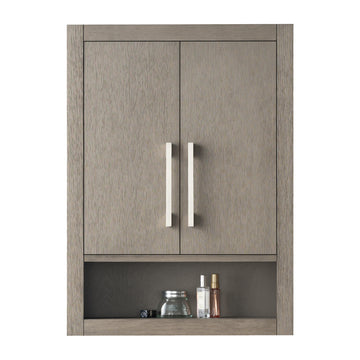
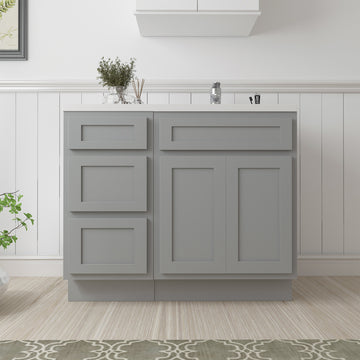
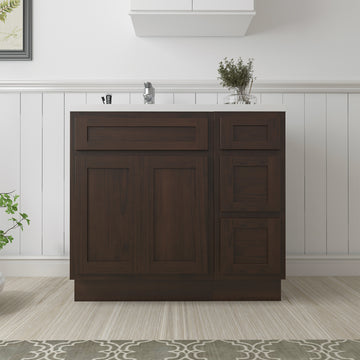

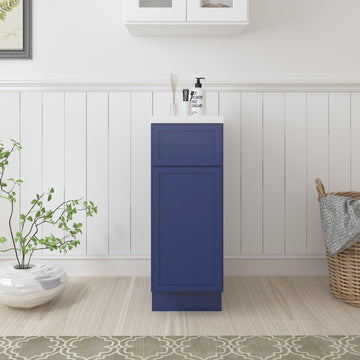
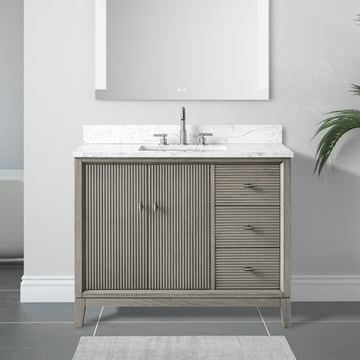
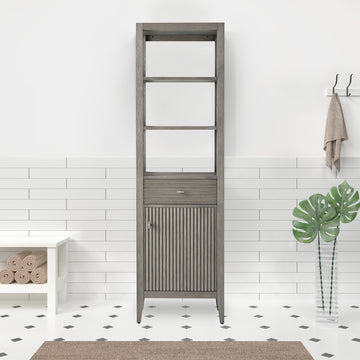


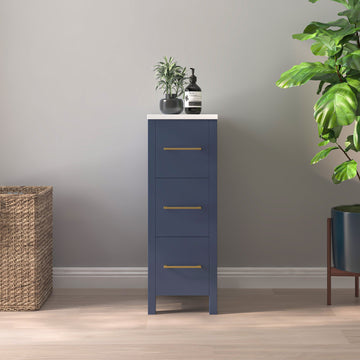
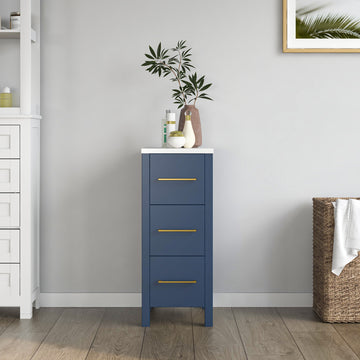
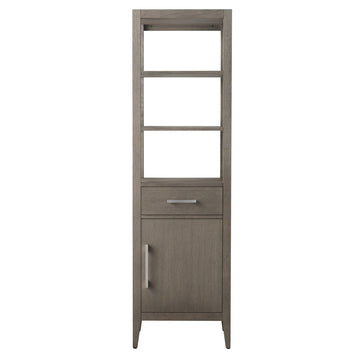



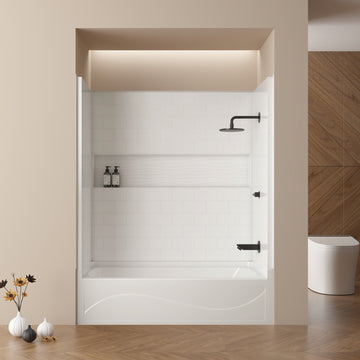
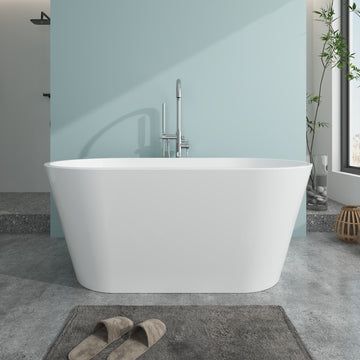
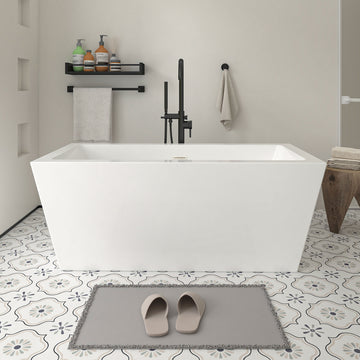








If you've been drawn to the warmth of raw wood, the crispness of white walls, and the bold punctuation of matte black fixtures, you're already thinking about the right farmhouse bathroom vanity ideas for 2025. This aesthetic has matured well beyond shiplap clichés—today's modern farmhouse bathroom blends natural materials with clean lines, intentional contrast, and pieces that genuinely function as well as they look. Whether you're remodeling a primary suite or refreshing a guest bath, this guide breaks down the specific combinations and decisions that make a farmhouse-style vanity feel current rather than dated.
What Defines a Modern Farmhouse Vanity in 2025
The updated farmhouse look trades fussy ornamental details for honest materials and restrained silhouettes. A few defining characteristics:
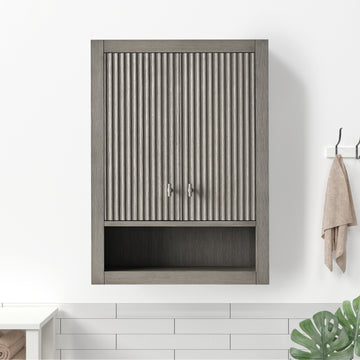
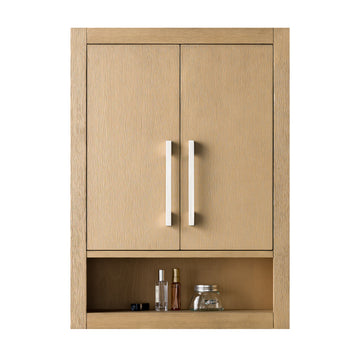
- Warm wood tones — white oak, walnut, and honey-toned pine finishes dominate, either as solid wood or realistic wood-grain laminates
- Matte black hardware — cabinet pulls, faucets, and towel rings in flat black replace brushed nickel as the go-to metal accent
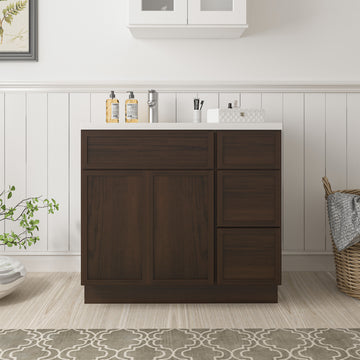
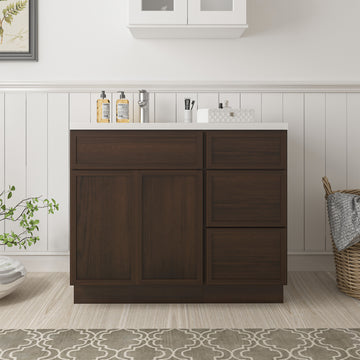
- Simple, structural cabinetry — shaker-style doors, open shelving, or furniture-leg bases rather than boxy builder-grade boxes
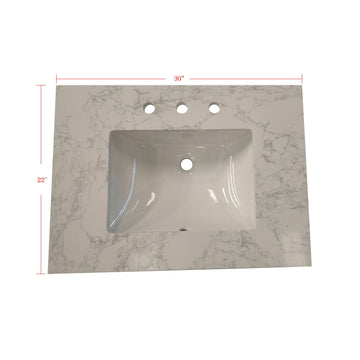
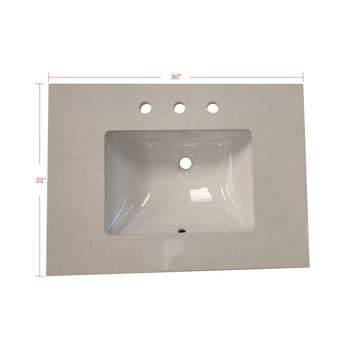
- White or cream countertops — quartz with soft veining, honed marble, or solid white surfaces that let the wood and hardware carry visual weight
- Neutral, textured walls — shiplap, board-and-batten, or limewash paint as accent surfaces behind or beside the vanity
The goal is a bathroom that reads as relaxed and considered at the same time—nothing forced, nothing generic.
Choosing the Right Vanity Size and Configuration
Before settling on a finish or hardware style, get the dimensions right. An oversized double vanity in a compact bathroom kills the airy quality farmhouse design depends on, while a single vanity lost in a large primary bath looks unfinished.
- Small bathrooms (under 60 sq ft): A 24–36 inch single sink vanity with open lower shelving keeps the space from feeling cramped. Wall-mount or furniture-leg styles visually open the floor.
- Medium bathrooms (60–100 sq ft): A 48–60 inch single or a compact double sink vanity works well. This is the sweet spot for a full shiplap accent wall behind the vanity.
- Large primary baths: A 60–72 inch double vanity anchors the space. Consider two separate single vanities flanking a central window for a custom built-in look without the custom price.
Also decide early whether you want a floating or freestanding base. A floating vanity feels more contemporary and makes mopping easier; a freestanding vanity with furniture legs reads more traditionally rustic.
Farmhouse Bathroom Vanity Ideas: Wood Tone Pairings That Work
Wood tone is where most farmhouse bathrooms either succeed or stumble. The 2025 direction leans toward medium-warm woods rather than the pale, washed grays that defined the previous decade.
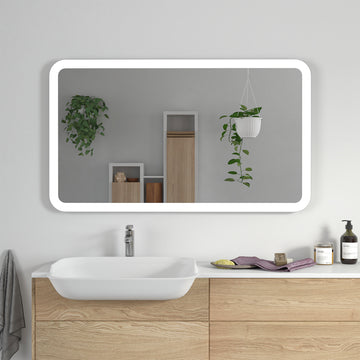
- White oak + white quartz: The most versatile combination. The subtle grain of white oak reads as natural without being loud; white quartz keeps the counter from competing.
- Walnut + concrete-look countertop: A richer, moodier take. Works especially well in bathrooms with large windows or skylights that offset the darker tones.
- Honey pine + white ceramic sink: The most traditional farmhouse read. Pair with an apron-front or vessel sink to reinforce the country reference without overdoing it.
- Two-tone cabinetry: A white upper cabinet paired with a wood-tone base is gaining momentum. It breaks up a tall vanity visually and keeps the overall palette light.
Whatever wood you choose, keep the rest of the room's wood (floors, open shelving, mirror frame) within the same warm undertone family. Mixing cool gray-brown driftwood with warm amber pine creates visual noise.
Matte Black Hardware: How to Use It Without Overdoing It
Matte black is the connector in a modern farmhouse bathroom—it ties the vanity to the fixtures, mirrors, and accessories without the formality of polished chrome or the blandness of brushed nickel. The key is consistency and restraint.
- Use matte black for faucet, cabinet pulls, towel bar, robe hook, and toilet paper holder. Mixing black with other metal finishes in the same room usually weakens the effect.
- Keep the quantity of black hardware proportional to the room size. A large bathroom can handle a dramatic matte black framed mirror and statement faucet; a small powder room risks feeling heavy with too many dark accents.
- Pair matte black with warm wood, not cool gray. Cool-toned cabinetry with matte black reads industrial; warm wood with matte black reads farmhouse.
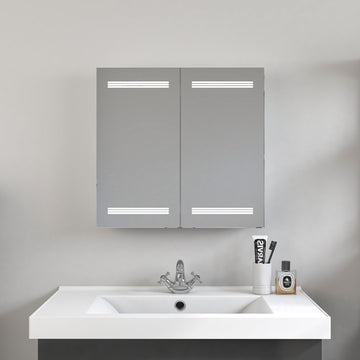
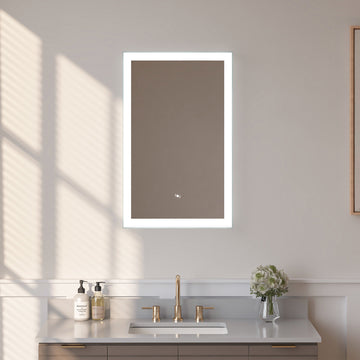
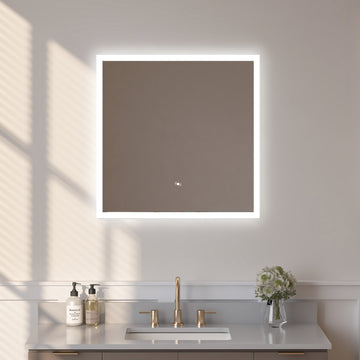
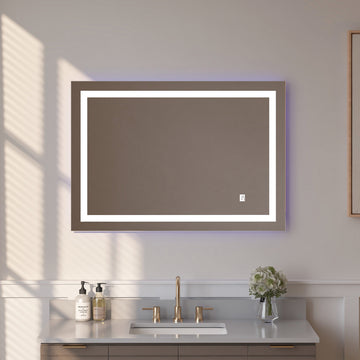
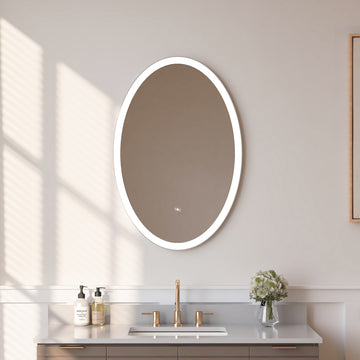
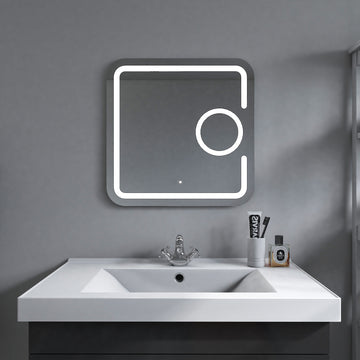
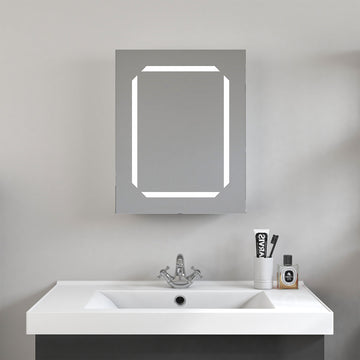
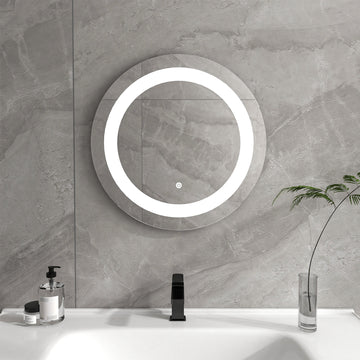
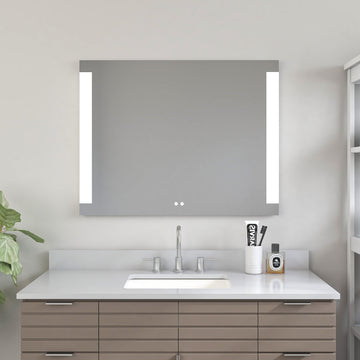
- Consider a matte black framed mirror or an LED mirror with a matte black surround as a functional focal point above the vanity.
Shiplap and Wall Treatments Behind the Vanity
A shiplap accent wall directly behind the vanity is one of the highest-impact, relatively low-cost moves in a farmhouse bathroom remodel. Done well, it frames the vanity like a piece of furniture rather than a built-in fixture. A few practical considerations:
- Use moisture-resistant shiplap boards (PVC or primed MDF) in bathrooms without a direct shower splash zone. Real wood needs a breathable, well-ventilated space.
- Paint shiplap in a warm white (think creamy off-whites rather than stark cool whites) to keep the palette cohesive with warm wood tones.
- Board-and-batten is an alternative that works in slightly more formal or transitional spaces—taller vertical lines suit high-ceiling bathrooms particularly well.
- Limewash or plaster-finish paint over smooth drywall achieves a similar textured, organic quality without the installation complexity of actual boards.
If shiplap doesn't suit your layout, a large-format tile in a warm stone or concrete look behind the vanity accomplishes the same grounding effect with better water resistance.
Sink Styles That Complement Farmhouse Vanities
The sink choice significantly shifts the mood of a farmhouse vanity. Three options dominate in 2025:
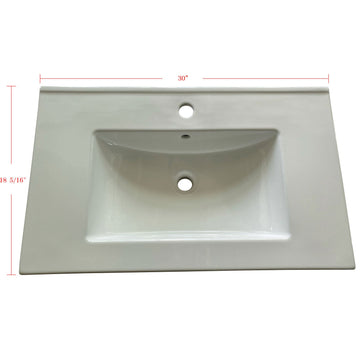
- Undermount ceramic or quartz: Clean, easy to wipe down, and lets the countertop material be the star. Best for families or high-use bathrooms. Explore options in the undermount sink vanity collection.
- Vessel sink: A white ceramic or stone vessel on a wood vanity base is a classic farmhouse look that still holds up. Works best in powder rooms or secondary baths where the design statement matters more than pure practicality. Browse the vessel sink vanity collection for ready-to-install options.
- Apron-front or trough style: More niche, but genuinely distinctive in a larger primary bath or utility-adjacent bathroom. Reinforces the working-farmhouse reference.
Finishing Touches: Accessories and Lighting
The right accessories prevent a farmhouse bathroom from tipping into a staged showroom or a cluttered craft store. Keep it edited:
- One or two glass apothecary jars for cotton balls or q-tips on the countertop
- A small potted plant (snake plant, pothos, or eucalyptus) in a simple terra cotta or white ceramic pot
- Linen or waffle-weave hand towels in white, natural, or soft sage
- Vintage-style exposed bulb sconces or simple matte black wall sconces flanking the mirror rather than a builder-grade overhead bar
- An open wood shelf above or beside the vanity for towels and a small plant rather than a closed medicine cabinet
Lighting is especially important—warm-toned bulbs (2700K–3000K) reinforce wood tones and create the comfortable, unhurried atmosphere farmhouse style depends on.
Budget Planning for a Farmhouse Vanity Update
A complete farmhouse bathroom remodel can range from a few hundred dollars for cosmetic updates to several thousand for a full vanity replacement with new tilework and fixtures. Breaking it into phases helps:
- Phase 1 (under $300): Swap cabinet hardware to matte black, replace faucet, add a black-framed mirror, paint walls a warm white or limewash
- Phase 2 ($300–$900): Replace the vanity with a wood-tone or shaker-style unit, add a shiplap accent wall, upgrade lighting
- Phase 3 ($900+): New countertop or sink, tile work, complete fixture package
Shopping from a curated collection of bathroom vanities makes it easier to find pieces that are already sized and finished for a farmhouse palette. Browsing the full vanity collection is a good starting point for comparing styles, sizes, and finishes side by side.
What size farmhouse vanity works best for a small bathroom?
For bathrooms under 60 square feet, a 24–36 inch single-sink vanity keeps the space functional without crowding. A floating or furniture-leg base style helps maintain visual openness. Stick to lighter wood tones and a white countertop to avoid making the room feel smaller.
Is matte black hardware hard to keep clean in a bathroom?
Matte black finishes actually hide water spots and minor smudges better than polished chrome. Wipe with a soft damp cloth and dry immediately after cleaning. Avoid abrasive cleaners or harsh chemicals that can strip the finish over time. Quality matte black fixtures are durable for everyday bathroom use.
Can I mix wood tones in a farmhouse bathroom?
You can, but limit the mix to two tones maximum and keep them within the same warm undertone family. For example, a medium white oak vanity with a slightly lighter oak mirror frame reads as intentional layering. Mixing warm amber wood with cool gray-washed wood in the same room usually looks accidental rather than designed.
Ready to find the right foundation for your 2025 farmhouse bathroom? Start with our best-selling vanities to see which wood-tone and style combinations are resonating most with US homeowners right now.