






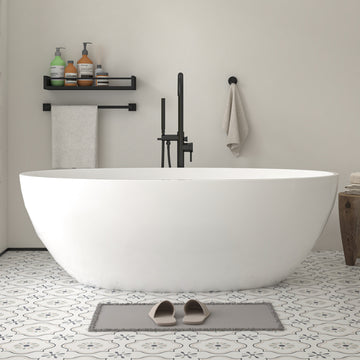
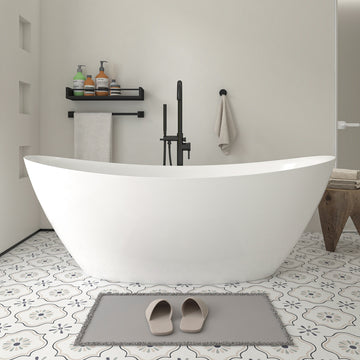

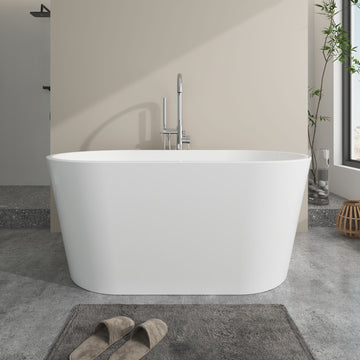
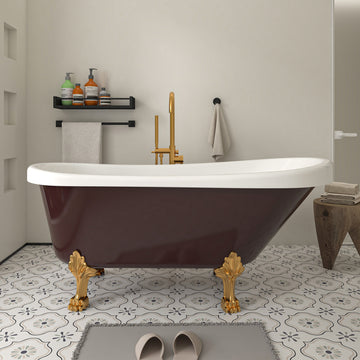




Choosing a new bathtub means making a material decision before anything else, and the stone resin vs acrylic bathtub debate is one of the most common questions homeowners face. Both materials show up in modern freestanding and alcove tubs, both can look stunning, and both have real trade-offs. This guide breaks down the four factors that matter most — durability, heat retention, weight, and price — so you can make a confident choice before you buy.
What Is a Stone Resin Bathtub?
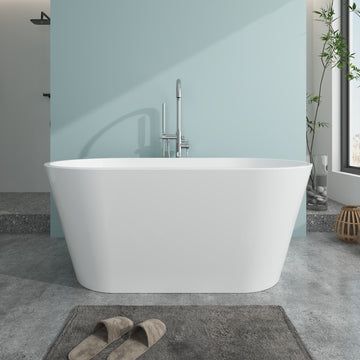
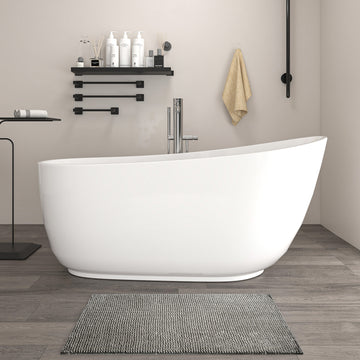
Stone resin tubs are made by combining crushed natural stone (most often limestone or quartz) with a resin binder, then casting the mixture into a mold. The result is a dense, solid shell that feels closer to natural stone than anything synthetic. The exterior is typically coated with a smooth gel-coat finish, while the interior stays warm to the touch compared to cast iron.
You'll find stone resin used most often in freestanding soaking tubs because the material lends itself to sculptural, thick-walled shapes. Browse VanityArt's Stone Resin Tub collection to see how the material translates into finished designs.
What Is an Acrylic Bathtub?
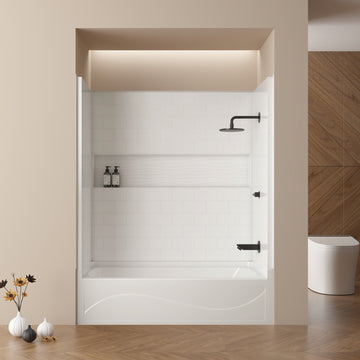
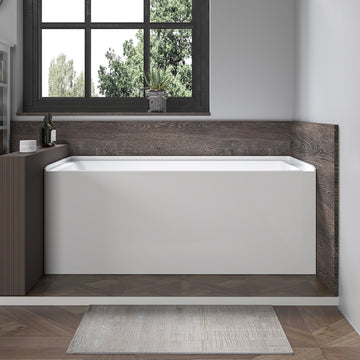
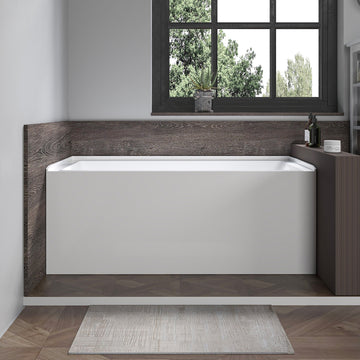
Acrylic tubs start as sheets of acrylic plastic that are vacuum-formed over a mold, then reinforced underneath with fiberglass and, in better-quality models, a layer of resin or foam. The shell is lightweight, smooth, and comes in more shapes and sizes than virtually any other tub material. Acrylic is the most widely installed tub material in American homes, which means replacement parts, repair kits, and installers familiar with it are easy to find.
If you want to see the range of available styles, the Acrylic Tub collection gives a good overview of what modern acrylic offers.
Stone Resin vs Acrylic Bathtub: Durability Compared
Durability is where stone resin earns its premium price tag most clearly.
- Stone resin: The solid-cast construction means there is no thin surface layer to crack through. Chips from dropped items are rare, and even if a surface scratch occurs, it can often be buffed out. The material does not flex under load, so the tub holds its shape over decades of use. Most manufacturers back stone resin tubs with 10- to 25-year structural warranties.
- Acrylic: Acrylic is softer and more prone to fine surface scratches over time. Harsh abrasive cleaners will dull the finish. A low-quality acrylic shell can flex or creak slightly when you step in, though well-reinforced models are significantly more stable. Repairs are simple — acrylic repair kits are inexpensive and widely available — but the need for repairs is more likely than with stone resin.
Winner: Stone resin, particularly for households with heavy daily use.
Heat Retention: Which Tub Keeps Water Warmer Longer?
If a long, hot soak is the main goal, heat retention matters more than most buyers realize.
- Stone resin: The dense mass of the material retains heat exceptionally well. A properly filled stone resin tub can keep water noticeably warmer for 30 to 45 minutes longer than a comparable acrylic tub. The thick walls also mean the tub itself does not feel cold when you first step in.
- Acrylic: Acrylic is a poor conductor of heat, which is actually a mild advantage — it does not pull heat from the water the way cast iron does. However, the thin walls mean the tub holds less thermal mass overall, and water cools at a moderate rate. Foam-backed acrylic improves this somewhat but still falls short of stone resin performance.
Winner: Stone resin, and it's not particularly close for serious soakers.
Weight and Installation Considerations
Weight is one of the most practical factors to plan around before purchase.
- Stone resin: A standard 59-inch freestanding stone resin tub typically weighs between 200 and 350 pounds empty, depending on wall thickness. Filled with water and a bather, you're looking at 700 to 900 pounds on the floor. Older homes or homes with standard joist spacing may require a structural engineer to confirm the floor can handle the load. Professional installation is strongly recommended.
- Acrylic: The same size acrylic tub usually weighs between 50 and 100 pounds. Two people can move it without mechanical help, and most standard bathroom floors handle the water and occupant weight without structural upgrades. This makes acrylic the practical default for upper-floor bathrooms or renovation projects with tight access.
Winner: Acrylic, by a wide margin, for installation simplicity and flexibility.
Price: What Each Material Costs
Budget shapes almost every purchasing decision, and the price gap between these two materials is real.
- Stone resin: Expect to pay between $800 and $2,500 for a quality stone resin freestanding tub at retail. High-end designer pieces go considerably higher. Add professional installation and potential floor reinforcement and the total project cost rises further.
- Acrylic: Entry-level acrylic alcove tubs start under $300. Freestanding acrylic models range from roughly $400 to $1,200 for well-made options. Installation is simpler, which reduces labor costs, and no floor reinforcement is typically needed.
If budget is a hard constraint, acrylic delivers a functional, attractive tub at a fraction of the cost. If you're doing a full primary bathroom remodel and plan to stay in the home long-term, stone resin's durability and performance can justify the premium over the life of the fixture.
Winner: Acrylic for upfront cost; stone resin for long-term cost-per-use value.
Aesthetics and Design Flexibility
Both materials are available in modern designs, but they serve different aesthetics.
- Stone resin lends itself to clean, architectural shapes with thick visible rims. The matte or semi-gloss exterior has a tactile quality that reads as premium. Color options are more limited — most stone resin tubs come in white, off-white, or matte black.
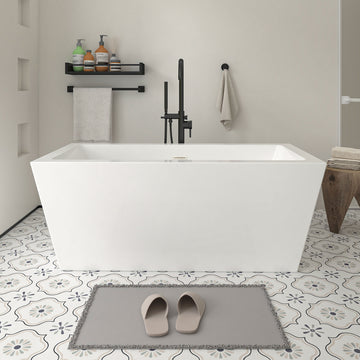
- Acrylic can be formed into nearly any shape and is available in a much wider range of configurations: freestanding, alcove, clawfoot, and more. Gloss white is standard, but the surface takes color well so you'll find more variety.
If you're shopping by size, VanityArt carries collections organized by dimension, including 59 inch bathtubs and 67 inch bathtubs, in both materials.
Which Bathtub Material Is Right for You?
Use this simple breakdown to guide your decision:
- Choose stone resin if: you want maximum durability and heat retention, you're designing a primary bathroom meant to last 20+ years, your floor can support the weight, and your budget allows for the higher upfront investment.
- Choose acrylic if: you're working with a tighter budget, your bathroom is on an upper floor, you need a specific size or configuration that stone resin doesn't offer, or you want a lightweight option that two people can install without specialized help.
Neither material is universally better — the right answer depends on how you use your bathroom, where the tub is going, and what you're willing to spend.
Frequently Asked Questions
Does a stone resin bathtub feel different from acrylic when you're in it?
Yes, noticeably. Stone resin feels firmer and more substantial underfoot, similar to standing on a stone countertop. Acrylic has a slight give. Stone resin also stays warmer to the touch at the start of a bath because the walls pre-warm quickly, while acrylic starts closer to room temperature.
Can I install a stone resin tub on a second floor?
Possibly, but you should have a structural engineer or experienced contractor assess your floor framing first. A filled stone resin tub can exceed 800 pounds, which exceeds the load capacity of some standard residential floor spans. Acrylic tubs rarely require this assessment.
How do I clean and maintain each type of tub?
Both materials do best with non-abrasive liquid cleaners and a soft cloth. Avoid scouring powders on either surface. Stone resin's gel-coat finish can be polished if it dulls over time. Acrylic scratches more easily, so keep abrasive scrubbers away from the surface entirely. Minor scratches in acrylic can be buffed out with a plastic polish or a dedicated acrylic repair kit.
Ready to shop by material? Explore the full bathtubs collection at VanityArt to compare stone resin and acrylic options side by side and find the right fit for your bathroom.