
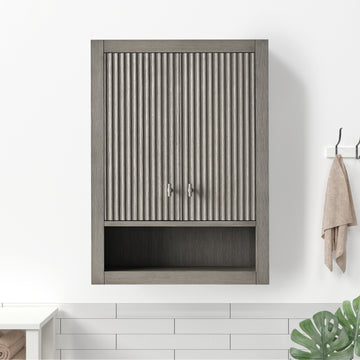
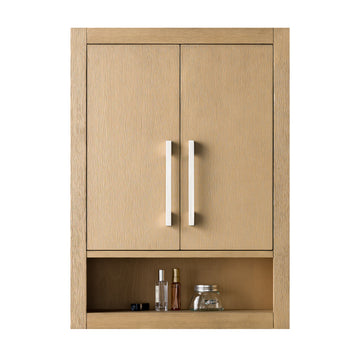
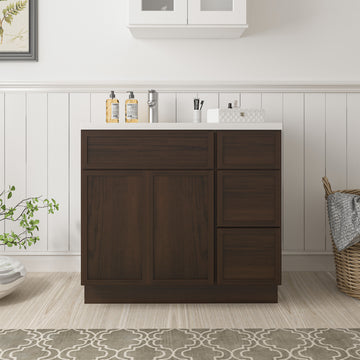
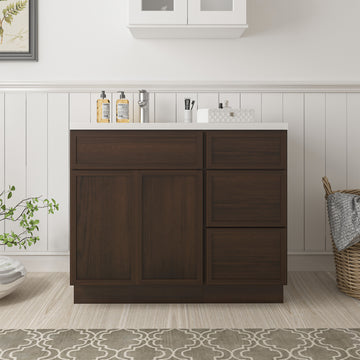
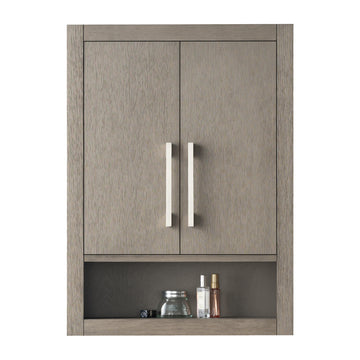
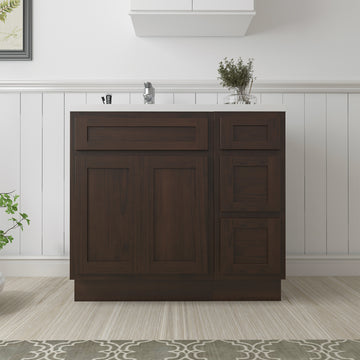

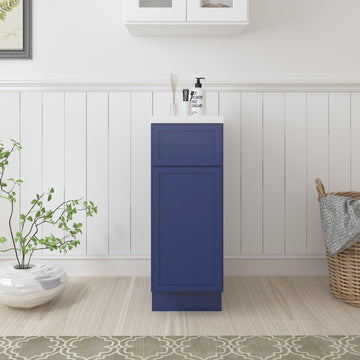
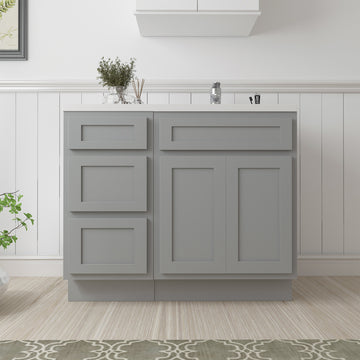
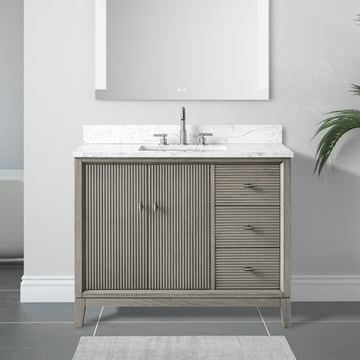
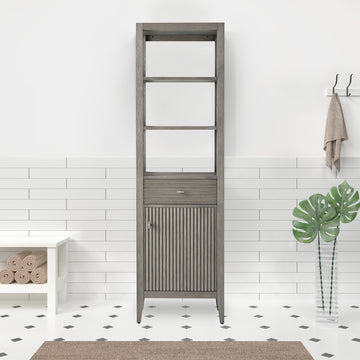


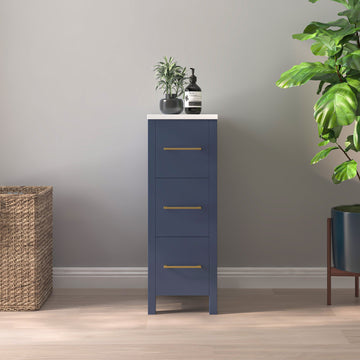
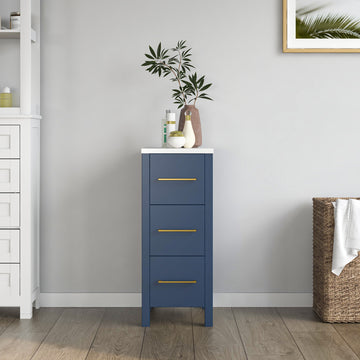


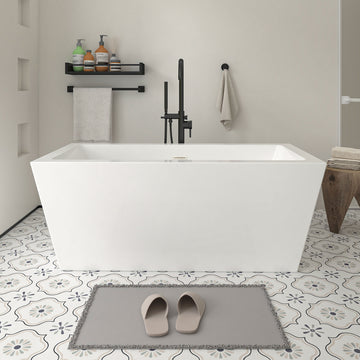
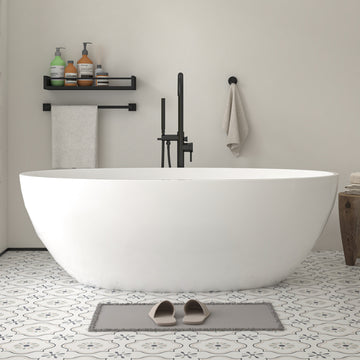
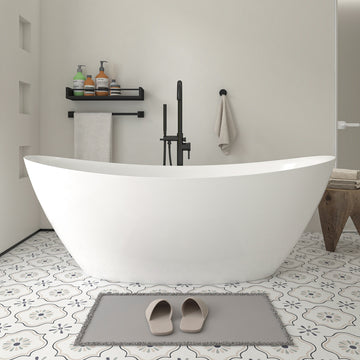

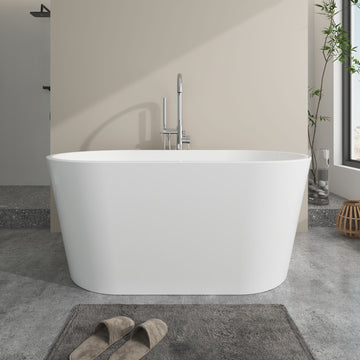




Getting your bathroom accessories matching your vanity finish is one of the most effective ways to make a bathroom feel intentional rather than assembled by chance. It does not require a designer budget or a full renovation — it mostly requires a clear understanding of which finishes work together and where the rules can be bent. This guide walks through finish families, the hardware that matters most, and how to handle the common situations where a perfect match is not possible.
Why Finish Coordination Matters More Than You Think
The vanity is almost always the largest fixed element in a bathroom. Its finish — whether that is the cabinet hardware, the faucet, or the frame of an integrated mirror — sets the visual tone for every other surface. When your towel bar, toilet paper holder, and robe hook are pulling in a different direction, the eye catches the inconsistency even if the brain cannot name it. Cohesion reads as quality. Mismatched finishes read as an unfinished project.
That said, coordination does not mean every piece must be identical. It means the finishes you choose have a logical relationship to each other and to the vanity anchor.
Know Your Finish Families Before You Shop
Bathroom hardware finishes fall into a handful of families. Staying within one family — or mixing intentionally between two complementary ones — is the simplest way to keep things cohesive.
- Chrome and Polished Chrome: Cool-toned, highly reflective, suits modern and transitional bathrooms. Pairs naturally with white or gray vanity cabinets.
- Brushed Nickel: Warmer and softer than chrome, resists fingerprints better, works across traditional and contemporary styles.
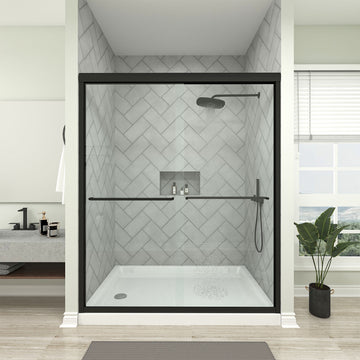
- Matte Black: Strong contrast finish, currently popular in modern and industrial spaces. Pairs well with white vanities and dark vanities alike.
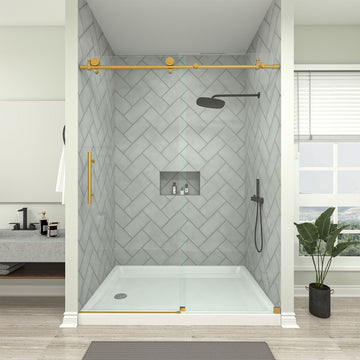
- Brushed Gold and Champagne Bronze: Warm-toned, works well with wood-tone vanities, greige, navy, and deep green cabinetry.
- Oil-Rubbed Bronze: Darker warm tone, suits traditional and rustic bathrooms with wood-heavy or earth-tone palettes.
- Polished Nickel: Similar warmth to brushed nickel but more formal and reflective. Works in transitional and classic spaces.
Once you identify which family your vanity hardware or faucet belongs to, use that as the anchor for every accessory purchase.
Start With the Faucet — It Anchors Everything Else
The faucet sits directly on the vanity and is visually connected to it. It is the most important finish decision you will make for the accessory layer. If your vanity came with a faucet pre-selected, that finish becomes your starting point. If you are choosing a faucet separately, pick it alongside your vanity rather than after.
From the faucet finish, work outward:
- Towel bars and rings should match or closely coordinate with the faucet finish.
- Toilet paper holder should match the towel bar — these two are almost always seen in the same glance.
- Robe hooks and towel hooks can match or sit one step away in the same finish family.
- Mirror frame and light fixture finish should align with the faucet or sit in the same temperature range (warm with warm, cool with cool).
How to Match Cabinet Hardware Specifically
Cabinet handles and knobs on your vanity are a smaller detail, but because they appear multiple times across cabinet doors and drawers, they carry real visual weight. Browse the handle collection with your vanity finish in mind rather than independently.
A few practical rules:
- If your faucet is brushed nickel, brushed nickel bar pulls or knobs are the safest and most cohesive choice.
- Matte black hardware on a white shaker vanity is a sharp, intentional contrast — this works because both elements are clean and modern.
- Mixing brushed gold hardware with a wood-grain vanity and a brushed gold faucet creates a warm, layered look that feels designed rather than accidental.
- Avoid mixing polished and matte versions of the same metal — polished chrome and brushed chrome together look like a mismatch rather than a choice.
Towel Bars, Rings, and Hooks: The Accessory Layer
Once the faucet and cabinet hardware are decided, the remaining bathroom accessories — towel bars, rings, robe hooks, toilet paper holders — should follow the finish already established. This is where most homeowners introduce unintentional variety by purchasing accessories at different times without referring back to the anchor finish.
Practical tips for this layer:
- Buy towel bars and the toilet paper holder from the same product line if possible — this guarantees a matching finish, not just a close one.
- If your bathroom has a double vanity, you likely have wall space for a 24-inch or 30-inch towel bar on each side. Keep both bars identical.
- In smaller bathrooms, towel rings take up less wall space than bars. Choose a ring that matches the faucet finish.
- Robe hooks near the shower or on the back of the door can be a subtle accent — staying in the same finish family here reads as intentional.
Coordinating the Mirror and Light Fixture
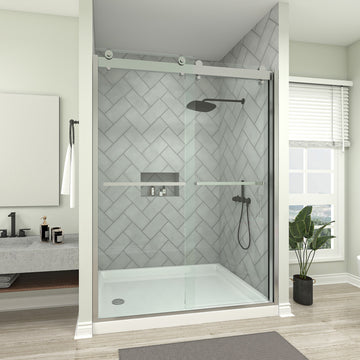
The mirror frame and the vanity light fixture are larger elements that affect the finish story significantly. A bathroom mirror with a brushed gold frame will not feel cohesive next to a matte black faucet and chrome towel bars — the temperature conflict is too sharp.
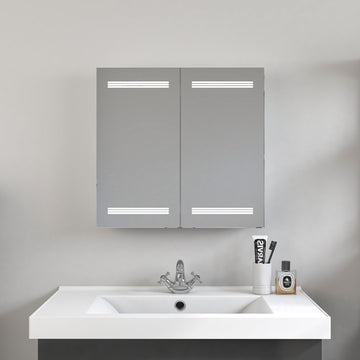
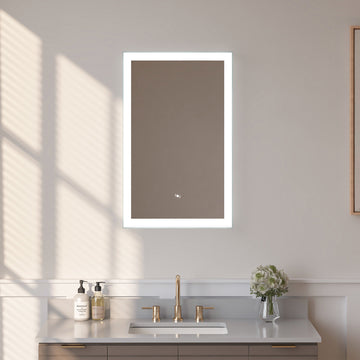
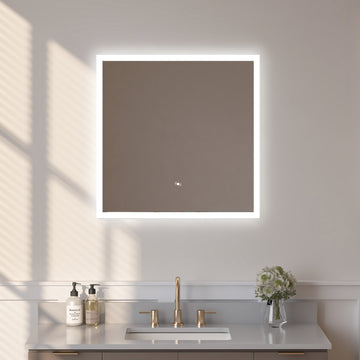
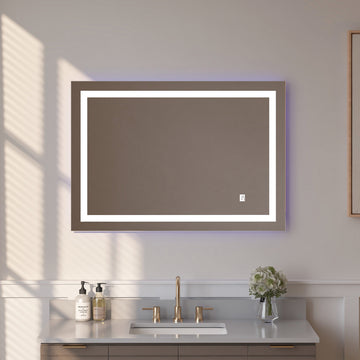
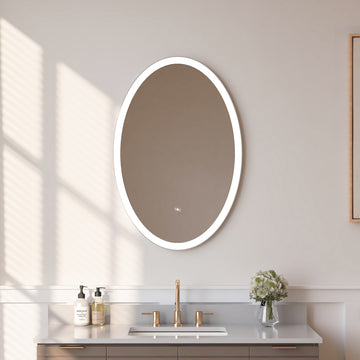
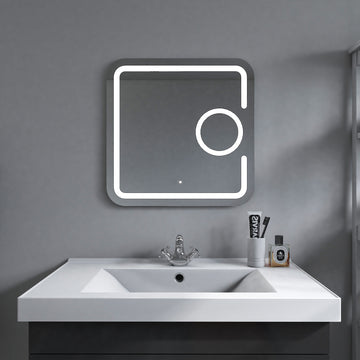
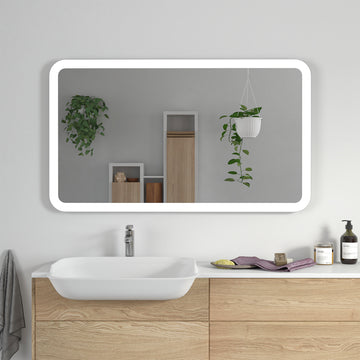
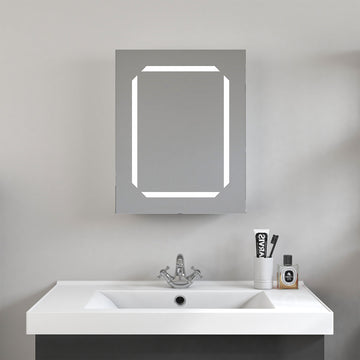
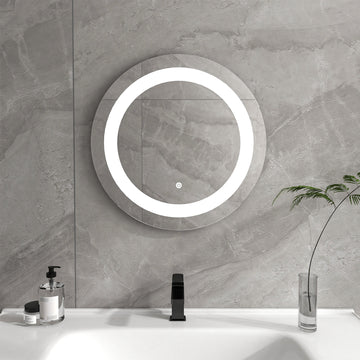
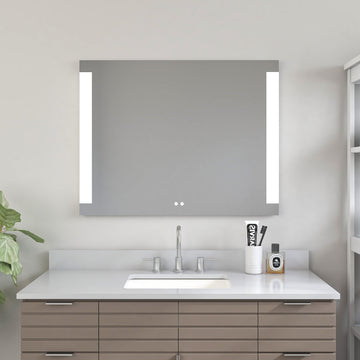
If you want a lit mirror, an LED mirror with a frameless or minimal chrome edge is the most finish-neutral option and pairs with virtually any vanity finish. For framed mirrors, follow the same finish family as your faucet.
For light fixtures:
- The fixture finish does not need to match the faucet exactly, but it should sit in the same temperature family.
- In a bathroom with brushed nickel faucets and towel bars, a brushed nickel or polished nickel light fixture is seamless.
- In a matte black scheme, a matte black or dark bronze fixture keeps the room grounded.
When You Cannot Get a Perfect Match
Older homes with existing plumbing, rental situations, or budget constraints sometimes make a perfect finish match impractical. Here is how to handle common scenarios:
- Existing chrome faucet, want a warmer look: Choose brushed nickel accessories rather than gold — it bridges the cool chrome with a softer tone without clashing.
- Two-tone approach: Some designers use one finish for plumbing fixtures (faucet, shower) and a second finish for accessories (towel bars, hardware). This works when both finishes are in the same temperature family and the contrast is deliberate — not accidental.
- Unlacquered brass ages differently: If your vanity has unlacquered brass hardware, accept that it will patina over time. Pair it with accessories in a similar warm metal family and let the variation read as character.
- Discontinued finishes: If your existing fixtures are in a discontinued finish, prioritize matching the temperature (warm or cool) over matching the exact surface treatment.
Putting It Together: A Simple Coordination Checklist
Before purchasing any accessory, run through this checklist:
- What is the finish on my vanity faucet? (This is your anchor.)
- Are my cabinet handles in the same finish family as the faucet?
- Do my towel bar, toilet paper holder, and robe hook all share the same finish?
- Is my mirror frame finish in the same temperature range as my faucet?
- Does my light fixture finish complement — or at least not conflict with — the faucet and accessory finishes?
- If I am using two finishes intentionally, is the contrast clear and repeated at least twice so it reads as a choice?
Running this check before each purchase prevents the gradual accumulation of near-miss finishes that makes a bathroom feel unresolved.
Frequently Asked Questions
Can I mix two different metal finishes in the same bathroom?
Yes, but only when the mix is intentional and consistent. The most reliable approach is to choose one dominant finish for plumbing fixtures and one accent finish for accessories, and to keep each finish in its own category throughout the room. Mixing brushed nickel faucets with matte black towel bars can work well — mixing three or four finishes rarely does.
Does the vanity cabinet color affect which hardware finish I should choose?
It does. Cool cabinet colors — white, light gray, soft blue — pair most naturally with cool-toned finishes like chrome and brushed nickel. Warm cabinet colors — wood tones, navy, sage green, deep charcoal — tend to look better with warm finishes like brushed gold, champagne bronze, or oil-rubbed bronze. Matte black is a neutral that works across both warm and cool cabinets.
Should the shower fixtures match the vanity faucet finish?
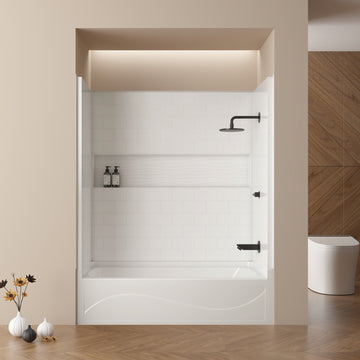
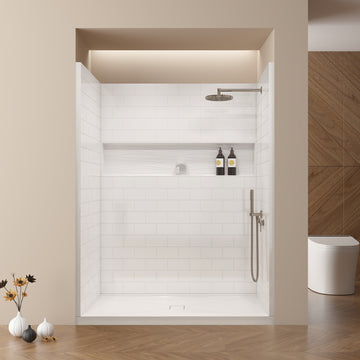
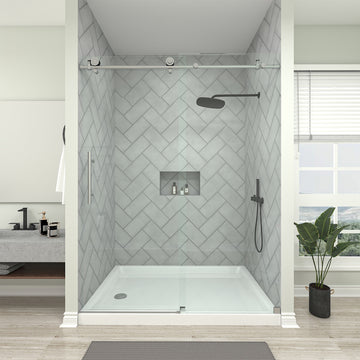
In an open or visually connected bathroom, yes — keeping the shower fixtures and vanity faucet in the same finish creates the strongest sense of unity. In a bathroom where the shower is behind a door or fully enclosed, the connection is less critical, though staying in the same finish family is still a good habit.
Ready to build a cohesive bathroom from the ground up? Explore the full range of bathroom accessories at VanityArt to find pieces that coordinate with your vanity finish from day one.