

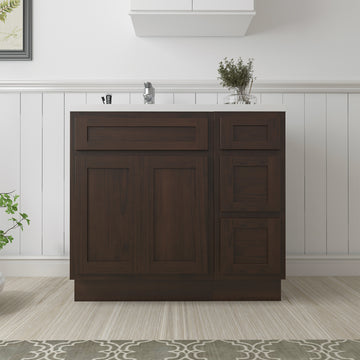


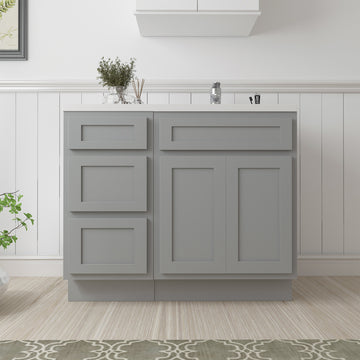
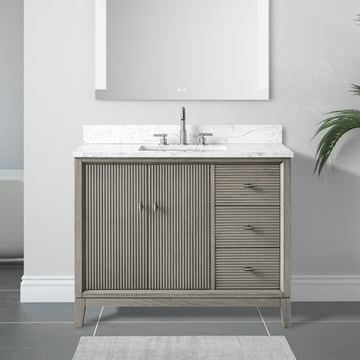
















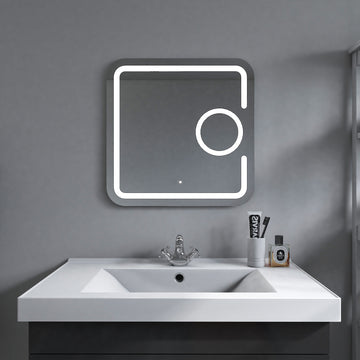
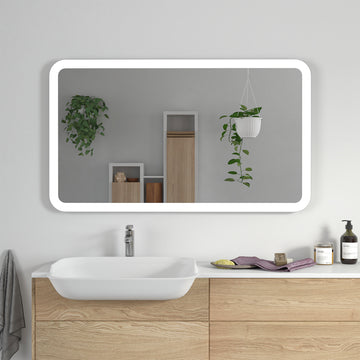
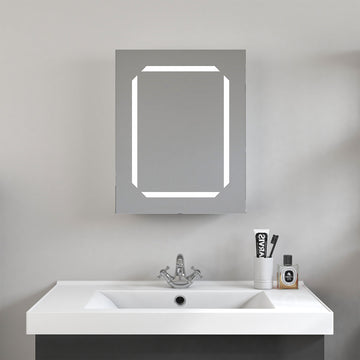




Choosing between an undermount vs vessel sink is one of the most practical decisions you'll make during a bathroom remodel. Both styles are popular, both look great in the right setting, and both come with real trade-offs that affect how you use your bathroom every single day. This guide breaks down the key differences — cleaning, countertop compatibility, installation complexity, and long-term livability — so you can make a confident choice before you buy.
What Is an Undermount Sink?
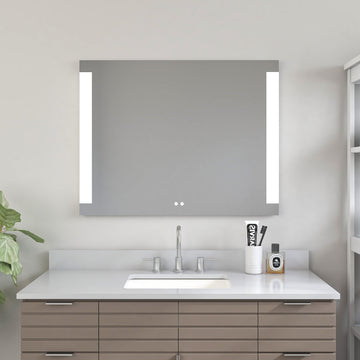
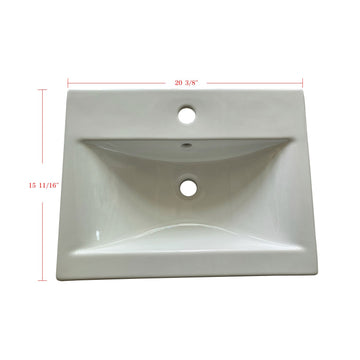
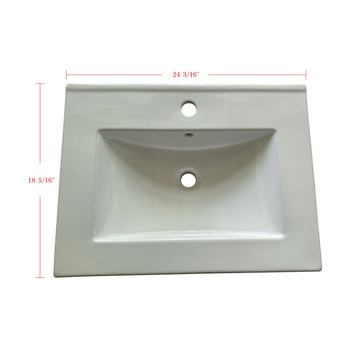
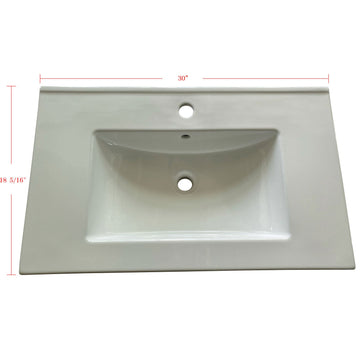
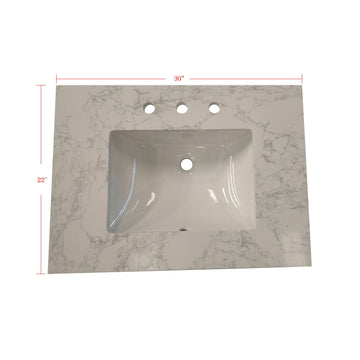
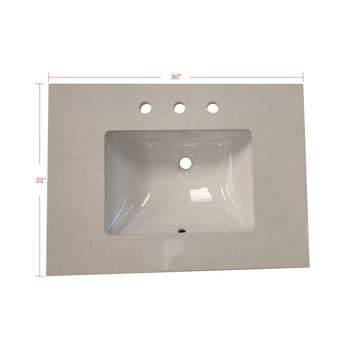
An undermount sink is mounted beneath the countertop surface. The rim of the sink is bonded to the underside of the vanity top, leaving the counter edge exposed. Water and debris can be wiped directly from the countertop into the basin without catching on a rim or lip.
- Common materials: vitreous china, ceramic, stone resin, cast iron
- Typical depth: 5–8 inches
- Best paired with: solid surface, quartz, marble, or granite countertops
- Faucet placement: deck-mounted on the countertop or wall-mounted
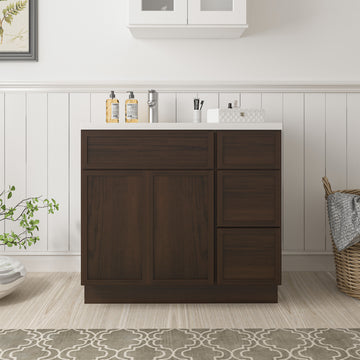
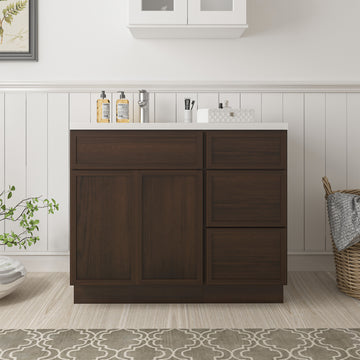
Undermount sinks are a staple in undermount sink vanities precisely because they create a seamless, built-in look that feels intentional and finished.
What Is a Vessel Sink?
A vessel sink sits on top of the countertop rather than inside it. Think of it like a bowl resting on a surface. Vessel sinks are visually prominent — they're meant to be seen — and they've become a popular way to introduce texture, color, or sculptural form into an otherwise neutral bathroom.
- Common materials: ceramic, glass, stone, copper, concrete
- Typical height above counter: 4–7 inches
- Best paired with: lower vanity cabinets to compensate for the added height
- Faucet placement: tall vessel faucet or wall-mounted faucet at the correct height
Browse the vessel sink vanity collection to see how different cabinet heights and finishes work with above-counter bowls.
Undermount vs Vessel Sink: Cleaning and Maintenance
This is where the two styles diverge most noticeably in daily use.
Undermount sinks are easier to keep clean. There is no rim sitting on top of the counter to collect soap scum, water deposits, or mildew. You wipe the counter, sweep debris into the basin, done. The main maintenance concern is the seal between the sink rim and the underside of the countertop — if that bond weakens over years, moisture can work into the joint. A properly installed undermount sink with quality silicone sealant will hold up well for many years.
Vessel sinks require more attention around the base. The ring where the bowl meets the countertop is a natural trap for soap residue, toothpaste, and standing water. Depending on the material — especially glass or polished stone — the exterior of the bowl also shows water spots and fingerprints readily. Matte ceramic or concrete vessel sinks tend to hide residue better. Plan to wipe down both the inside and outside of the bowl regularly.
Bottom line: If low-maintenance cleaning is a priority, undermount wins.
Countertop Style and Bathroom Aesthetics
Both sink types can look exceptional. The question is which aesthetic suits your space.
Undermount sinks emphasize the countertop. If you're investing in a beautiful quartz or marble vanity top, an undermount installation keeps the focus on that surface. The result is clean, minimal, and timeless. It works well in transitional, contemporary, and traditional bathrooms alike.
Vessel sinks make the sink itself the focal point. If you want a bathroom that feels more like a boutique hotel or a design-forward space, a vessel sink delivers that drama. Geometric concrete bowls, hand-painted ceramic basins, and natural stone vessels all bring texture and personality to a vanity setup that a standard sink simply cannot.
Consider your vanity cabinet style as well. A floating vanity at 18–20 inches off the floor pairs especially well with a vessel sink, because the combined height ends up in a comfortable range. A standard 32-inch cabinet height may push a vessel sink too high for comfortable use.
Installation Difficulty and What to Expect
Neither sink type is impossible to install, but the complexity differs.
Undermount sink installation requires more precision upfront. The countertop cutout must be exact, and the sink needs to be mounted and sealed from below before the top is set in place. This usually means the countertop and sink are installed together as a unit. Many bathroom vanities come with the sink and top pre-assembled specifically to simplify this step. If you're retrofitting an undermount sink into an existing countertop, you'll likely want a professional to handle the cutting and bonding.
Vessel sink installation is more straightforward for DIYers. The countertop just needs a hole for the drain — no precise rim cutout required. You set the bowl on top, connect the drain, and mount a tall faucet. The main challenge is getting the faucet height right. A standard faucet will be too short; you need a vessel faucet or a wall-mount solution positioned at the correct height to reach into the bowl comfortably.
- Undermount: more complex installation, often professional recommended
- Vessel: simpler DIY installation, but faucet selection is critical
- Both: require proper drain and P-trap alignment
Ergonomics and Everyday Usability
A sink you use two or three times a day needs to feel right physically, not just look good in photos.
Undermount sinks sit at whatever height the vanity cabinet sits, typically 32–36 inches from the floor for adults. That's a comfortable working height for most users. The basin depth is also moderate, so you're not leaning over too much.
Vessel sinks add 4–7 inches to the effective working height. If your cabinet is a standard 32 inches and your vessel bowl adds 6 inches, you're washing your hands at 38 inches — which can feel high, especially for children or shorter adults. This is solvable by specifying a shorter cabinet (24–28 inches), but it's a planning step many people skip and later regret.
Counter space is also affected. A vessel sink takes up surface area on top of the counter, reducing the space available for toiletries and other items. An undermount leaves the full countertop clear.
Cost Considerations
Vessel sinks themselves can range widely — from under $100 for basic ceramic bowls to several hundred dollars for hand-crafted stone or glass. The sinks are not always the expensive part; it's the tall vessel faucet required to match that adds cost.
Undermount sinks tend to have more predictable pricing and work with a wider range of standard faucets. However, if you're having a custom countertop cut and professionally sealed, the overall installation cost can run higher than a vessel setup.
If you're shopping for a complete solution, look at best-selling vanity sets that bundle the cabinet, top, and sink together — this eliminates compatibility guesswork and often provides better value than buying components separately.
Which Sink Type Should You Choose?
Use these guidelines to make the call:
- Choose an undermount sink if: you want easy cleaning, a seamless countertop look, a family bathroom with multiple users, or you're investing in a premium stone or quartz top
- Choose a vessel sink if: you want a strong visual statement, you're designing a guest bath or powder room where style outweighs heavy daily use, or you enjoy swapping out décor over time (vessel sinks are easier to replace)
- Consider your vanity height before finalizing a vessel sink choice
- Factor in who uses the bathroom — vessel sinks are less practical in bathrooms used by young children
Frequently Asked Questions
Can I replace a vessel sink with an undermount sink later?
You can, but it's not a simple swap. An undermount installation requires a precisely cut countertop opening and bonding from below, so you'd likely need to replace the countertop entirely. If you think you might want to change sink styles in the future, plan for that flexibility when choosing your initial vanity and top material.
Do vessel sinks leak more than undermount sinks?
Not inherently. Leaks in either style almost always come from improper drain installation or a worn-out P-trap connection — not the sink type itself. The one area where vessel sinks carry slightly more risk is splashing: because the basin sits higher and is more open, water can splash onto the counter and onto the floor more easily, especially with high-flow faucets.
What countertop material works best with each sink type?
Undermount sinks require a hard, non-porous countertop — quartz, granite, marble, and solid surface are all good choices. They cannot be installed in laminate tops because the exposed edge will absorb water over time. Vessel sinks are more flexible: they sit on top of the counter, so almost any countertop material works as long as the drain hole is properly cut and sealed.
Ready to shop? Explore the full range of undermount sink vanities and vessel sink vanities at VanityArt to find the right fit for your bathroom.