
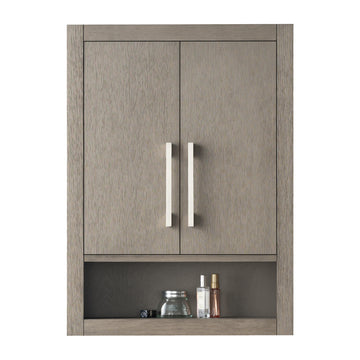
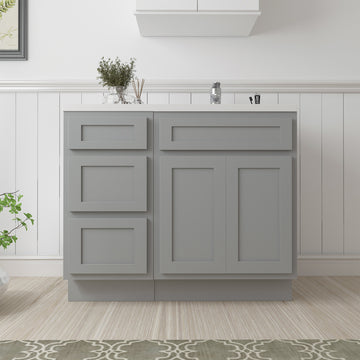
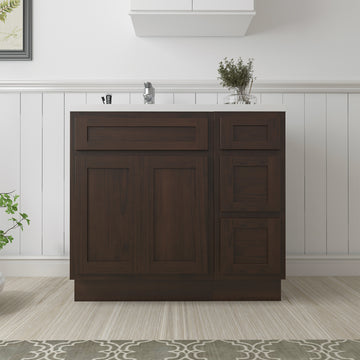

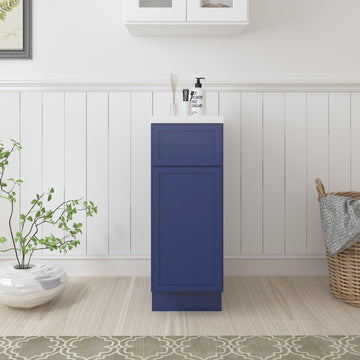













Choosing the right vessel sink vanity involves more than picking a style you like. Get the counter height wrong, pair the wrong faucet, or skip the drain compatibility check, and you'll end up with a bathroom that looks awkward and functions poorly. This vessel sink vanity buying guide covers every practical detail—from cabinet height and counter cutout sizing to faucet reach and pop-up drain selection—so you can shop with confidence and avoid costly mistakes.
How Vessel Sinks Differ From Undermount and Drop-In Options
A vessel sink sits on top of the counter rather than recessing into it. That single difference changes almost every other decision you'll make. Because the basin adds 5 to 7 inches of height above the counter surface, the vanity cabinet itself needs to be shorter than a standard model. It also means the faucet must be tall enough to clear the bowl's rim, and the drain assembly must match the counter thickness plus the basin's drain opening diameter.
If you're replacing an undermount or drop-in sink with a vessel, don't assume your existing vanity will work without modification. Height, plumbing rough-in, and counter cutout requirements are all different.
The Right Vanity Cabinet Height for a Vessel Sink
Standard bathroom vanities are 32 to 36 inches tall, sized for integrated or undermount sinks. For a vessel sink setup, you want the finished working surface—counter plus bowl—to land between 34 and 36 inches for most adults. Because a typical ceramic or stone vessel adds 5 to 6 inches above the counter, the vanity cabinet should be 28 to 30 inches tall.
- 28-inch cabinet: Best if your vessel sink is taller than 6 inches or if the primary users are shorter.
- 30-inch cabinet: Works well with shallow bowls (4 to 5 inches tall) and average-height adults.
- 32-inch cabinet: Only use this height with very shallow decorative vessels under 4 inches, which are uncommon.
Floating vanities give you the most flexibility here because you can set the mounting height during installation rather than relying on leg or base dimensions. Browse floating vanity options to see adjustable-mount models.
Counter Cutout Sizing: What You Need to Know
Most vessel sinks require a counter cutout even though they sit on top of the surface. The cutout allows the drain assembly to pass through the counter and connect to your P-trap below. It also helps with stability on some vessel styles.
Here are the standard cutout dimensions to keep in mind:
- Round vessel sinks: Cutout diameter is typically 1.5 to 1.75 inches—just large enough for the drain body.
- Rectangular or square vessel sinks: Same small drain cutout applies unless the manufacturer specifies a recessed mounting groove.
- Semi-recessed vessel sinks: These require a larger cutout, usually 10 to 14 inches, because part of the bowl drops into the counter. Always check the product spec sheet.
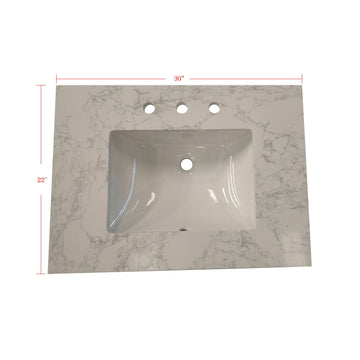
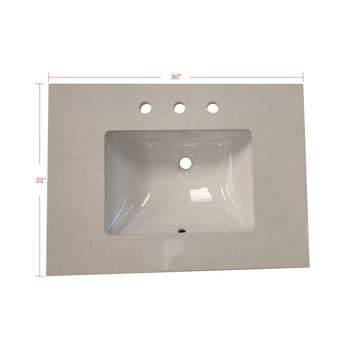
Before cutting, verify the counter material. Solid wood tops are straightforward to cut and reseal. Ceramic or porcelain tops can crack without the right hole-saw bit and technique. If you're buying a new vanity top alongside the basin, many vessel sink vanity sets come with pre-drilled tops, which eliminates this step entirely.
Faucet Height: Getting the Reach Right
This is where most vessel sink installations go wrong. A faucet that's too short won't clear the bowl's rim. One that's too tall creates splashing and an awkward visual proportion. You need to match faucet spout height to bowl height precisely.
The formula is simple:
- Measure the vessel sink's height from counter surface to the top of the rim.
- Add 4 to 6 inches for comfortable water arc clearance above the rim.
- That total is your minimum faucet spout height from the counter surface.
For example: a 6-inch-tall vessel sink needs a faucet with a spout height of at least 10 to 12 inches above the counter. Most vessel sink faucets on the market range from 10 to 17 inches tall—look for the spout height specification, not just the overall faucet height.
Single-hole faucets are the most common choice for vessel sinks because the basin itself handles most of the countertop visual weight. Widespread faucets (with three separate holes) are possible if your counter has the room and you prefer a more traditional look, but confirm your vessel sink doesn't block the handle placement.
Also check the spout reach—the horizontal distance from the faucet body to where water exits. For vessel sinks, a reach of 5 to 8 inches usually centers water over the drain without hitting the back of the bowl.
Drain Pairing and Pop-Up Drain Compatibility
Vessel sinks use a different drain type than recessed sinks. You have two main options:
- Pop-up drain with overflow: Requires the vessel to have an overflow port. Most solid ceramic and porcelain vessels do not have overflow holes, making a standard pop-up drain incompatible.
- Grid drain (no overflow required): The correct choice for the majority of vessel sinks. Water is controlled by the faucet rather than a stopper mechanism.
Check the drain hole diameter on your vessel sink before purchasing a drain assembly. Most vessel sinks have a 1.5-inch drain opening, but some stone and glass vessels use 1.75 inches. The drain body must match this opening or you'll have a leak-prone seal.
Standard drain rough-in for a vessel sink is the same 1.5-inch P-trap connection used for other sink types, so existing plumbing usually doesn't need to change. What changes is the tailpiece length. Because the counter sits lower on a vessel sink vanity, the drain tailpiece may need to be longer to reach the P-trap. Most drain kits include an adjustable tailpiece for this reason.
Style Compatibility: Matching Basin to Cabinet Design
Vessel sinks work with almost any cabinet style, but some pairings are stronger than others.
- Modern and minimalist vanities: Matte white ceramic or concrete-look vessel sinks complement clean-line cabinets with flat-panel doors and brushed nickel or matte black hardware.
- Traditional vanities: Porcelain vessels with gentle curves or oval shapes echo the furniture-style detailing on raised-panel cabinets.
- Rustic or farmhouse vanities: Natural stone or hand-hammered copper vessels add warmth and texture without competing with reclaimed wood or shaker-style cabinetry.
- Floating vanities: Almost any vessel sink works here because the wall-mounted cabinet keeps the visual weight low, letting the basin become a focal point.
For smaller bathrooms, keep the vessel profile low—shallow, wide bowls under 5 inches tall maintain proportion without making the space feel top-heavy. In larger bathrooms with higher ceilings, a tall cylindrical or sculptural vessel becomes a design statement rather than a mismatch.
Single vs. Double Vessel Sink Vanities
Double vessel sink vanities require careful planning. You need adequate counter space between the two basins (at least 10 inches of clear counter between outer edges) and two separate faucet rough-ins positioned correctly. Standard double vanities run 60 to 72 inches wide when configured for vessel sinks.
Check the pre-drilled faucet hole positions on any double vanity top. Some are centered for undermount sinks and will place vessel sink faucets too close to the bowl's edge. Look for tops with faucet holes positioned 6 to 8 inches from the basin cutout center.
Explore double sink vanity configurations and single sink vanity options to compare sizing before you measure your space.
Checking for Mirror and Accessory Compatibility
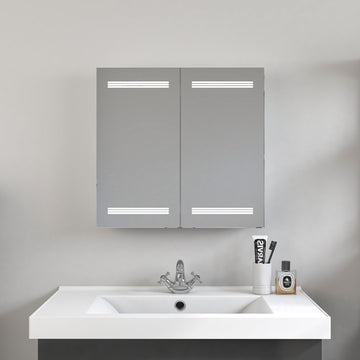
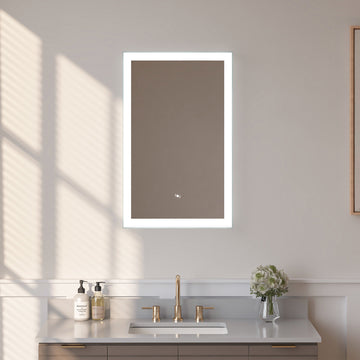
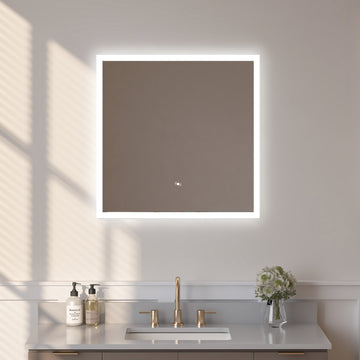
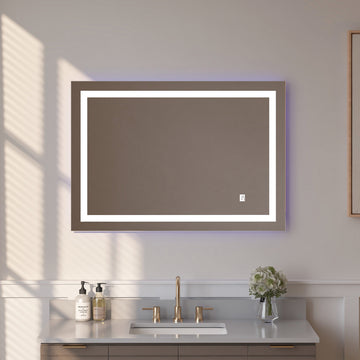
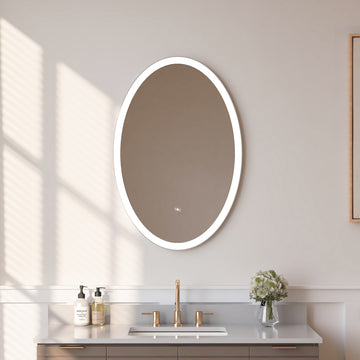
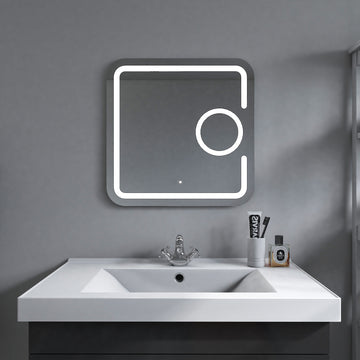
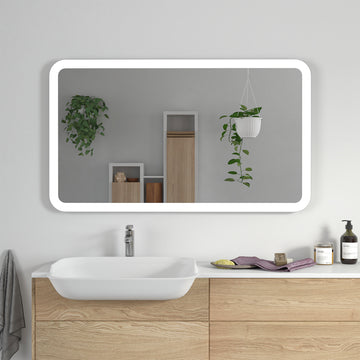
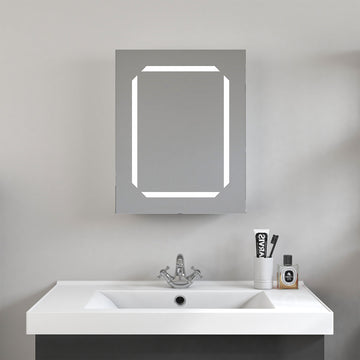
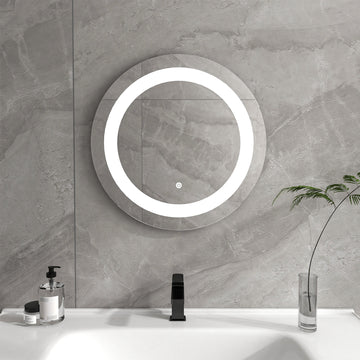
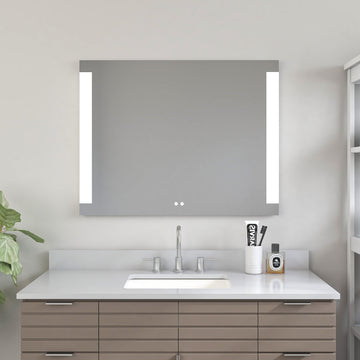
Because vessel sink vanities sit lower than standard ones, wall-mounted mirrors must be positioned lower as well—otherwise you're looking at a mirror that shows the ceiling instead of your face. The bottom of a wall mirror should typically sit no more than 5 to 8 inches above the top of the vessel basin.
LED mirrors and backlit mirrors work especially well with vessel sink setups because they can be sized precisely and mounted at any height. Browse LED mirror and standard mirrors to find options with adjustable mounting hardware that accommodate lower vanity heights.
Frequently Asked Questions
What height should a vessel sink vanity be?
Most vessel sink vanities should have a cabinet height of 28 to 30 inches. When you add the vessel basin height (typically 5 to 6 inches), the finished counter-to-basin-rim height lands between 34 and 36 inches, which is comfortable for most adults.
Can I use any faucet with a vessel sink?
No. You need a vessel sink faucet with a spout height that clears the bowl's rim by at least 4 inches. For a 6-inch-tall basin, use a faucet with a minimum 10-inch spout height from the counter surface. Standard low-profile faucets designed for drop-in sinks will not work.
Do vessel sinks need a special drain?
Yes. Most vessel sinks require an open grid drain rather than a standard pop-up drain, because vessel basins typically lack an overflow port. Confirm your vessel's drain hole diameter (usually 1.5 inches) and purchase a drain assembly sized to match, with an adjustable tailpiece to reach your P-trap.
Ready to find your perfect setup? Browse the full vessel sink vanity collection at VanityArt to shop styles sized and pre-configured for vessel basin installation.