





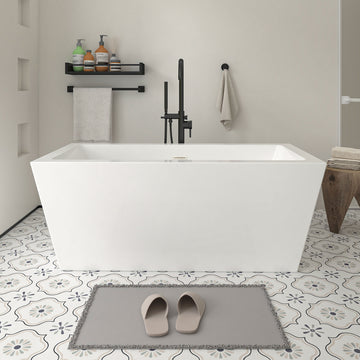
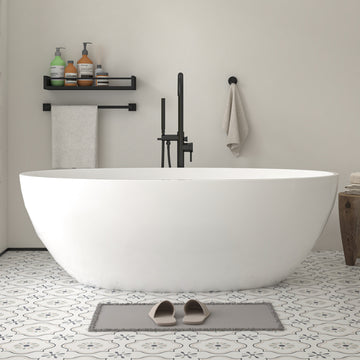
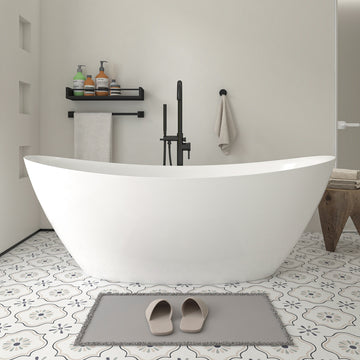

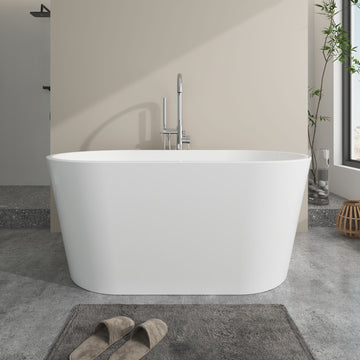





A freestanding bathtub is one of the most impactful upgrades you can make to a bathroom. But before you fall in love with a particular silhouette, there are real decisions to work through — material, footprint, drain location, floor reinforcement, and more. This freestanding bathtub buying guide walks you through every practical consideration so you can shop with a clear head and avoid expensive surprises after delivery.
What Makes a Bathtub "Freestanding"?
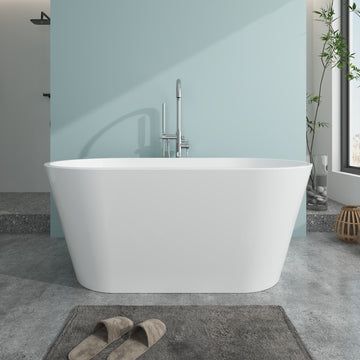
A freestanding tub is a self-supporting fixture that stands on its own rather than being recessed into a wall alcove or built into a surround. It has a finished exterior on all sides, which is why it can be placed anywhere in the room — not just against a wall. The drain and supply lines typically come up through the floor, and a floor-mounted or deck-mounted filler faucet is used instead of a wall-mounted one. Understanding this distinction upfront shapes every other decision you will make.
Freestanding Bathtub Buying Guide: Choosing the Right Material
Material affects weight, heat retention, durability, maintenance, and price. Here are the four most common options available to US homeowners:
- Acrylic: Lightweight, affordable, and available in the widest range of shapes and sizes. Acrylic retains heat reasonably well and is easy to repair if scratched. It is the most practical choice for most remodels. Browse acrylic tubs to see current styles and sizes.
- Stone resin (composite): A blend of crushed natural stone and resin binders. Heavier than acrylic — often 300 to 500 lbs empty — but offers excellent heat retention and a solid, high-end feel. Floor reinforcement is almost always required. Explore stone resin tubs if this material appeals to you.
- Cast iron: Extremely durable and holds heat very well, but can weigh 300 lbs or more before water is added. Requires structural assessment before installation.
- Fiberglass: The lightest and least expensive option. Prone to scratching and fading over time, and less common in freestanding designs.
For most bathroom renovations, acrylic or stone resin hits the right balance of performance, aesthetics, and practicality.
Standard Sizes and How to Measure Your Space
Freestanding tubs are typically available in three common length ranges. Knowing which one fits your bathroom before you browse saves significant back-and-forth.
- 55-inch tubs: Suited for smaller bathrooms or when space is tight. These work well in a guest bath or a compact primary bath. See 55 inch bathtubs.
- 59-inch tubs: The most common freestanding size. Fits a wide range of bathroom layouts and accommodates most adults comfortably. Browse 59 inch bathtubs.
- 67-inch tubs: Ideal for larger bathrooms or taller bathers who want a full soak. Requires more floor space and more water to fill. See 67 inch bathtubs.
When measuring, account for more than just the tub footprint. Plan for a minimum of 6 inches of clearance on all sides — more if you want comfortable access for cleaning. Measure door and hallway widths too; a stone resin tub delivered in one piece needs a clear path from the street to the bathroom.
Placement Considerations Before You Commit
Freestanding tubs offer placement freedom, but that freedom comes with trade-offs you should think through carefully.
- Center of the room: The most dramatic look, but requires the drain and supply lines to be roughed in through the floor at the exact right location. This is harder to adjust after the fact.
- Against a wall or window: Easier plumbing if supply lines are nearby. A tub placed under a window can be stunning, but consider privacy, condensation on the glass, and whether the window opens inward.
- In a corner: Some oval and asymmetric tub designs work well in corners. Verify the tub exterior is truly finished on all visible sides.
- Natural light: Most homeowners prefer placing the tub where it benefits from the best light in the room.
If you are remodeling from scratch, discuss drain rough-in location with your plumber before finalizing the tub selection. If you are replacing an existing alcove tub, know that you will likely need to move or cap existing supply and drain lines.
Plumbing Requirements: What to Discuss With Your Plumber
This is the section most buyers skip — and most regret. Freestanding tubs have specific plumbing demands that differ from alcove or drop-in installations.
- Floor-mounted drain: The drain connection comes through the floor, not a wall. Your plumber needs to confirm the drain rough-in can be positioned precisely under the tub's drain outlet.
- Freestanding or floor-mounted faucet: Most freestanding tubs use a floor-mounted filler faucet, which has its own supply rough-in requirements. Some tubs have pre-drilled deck holes for a deck-mounted filler instead.
- Water pressure and fill time: Freestanding tubs tend to have higher capacity — some hold 60 to 80 gallons. Confirm your water heater and pressure can handle this comfortably.
- Overflow and drain compatibility: Check whether the tub includes a built-in overflow and whether the drain size matches your rough-in. Most US tubs use a 1.5-inch or 2-inch drain.
Having a licensed plumber review the tub specs before purchase — not after — is the single best way to avoid installation delays.
Floor Load and Structural Preparation
Water is heavy. One gallon weighs approximately 8.3 lbs. A 67-inch stone resin tub filled to a comfortable soak depth can put 1,000 lbs or more of combined weight on a relatively small floor area.
- Standard US residential floor joists are typically designed for 40 lbs per square foot of live load.
- A heavy stone resin or cast iron tub filled with water and occupied by one or two adults can exceed that without reinforcement.
- A structural engineer or experienced contractor can assess whether sistering joists or adding blocking is needed.
- First-floor installations over a concrete slab are generally not a concern.
If you are on an upper floor and selecting a stone resin tub, build a structural review into your project budget from the start.
Style and Shape: Matching Your Bathroom Aesthetic
Beyond material and size, the shape of the tub sets the tone for the entire bathroom. Common styles include:
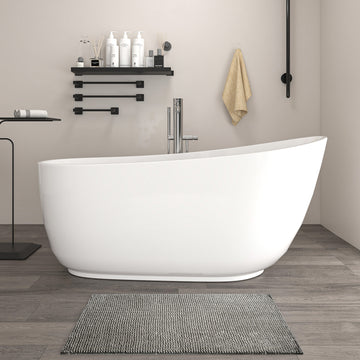
- Oval soaking tubs: Clean, modern lines that work in contemporary and transitional bathrooms.
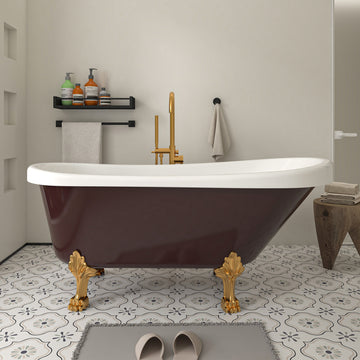
- Clawfoot tubs: Classic Victorian-inspired design with ornamental feet. A natural fit for traditional or farmhouse-style bathrooms. See the full clawfoot tub collection.
- Slipper tubs: One or both ends are raised, providing back support for a reclined soak.
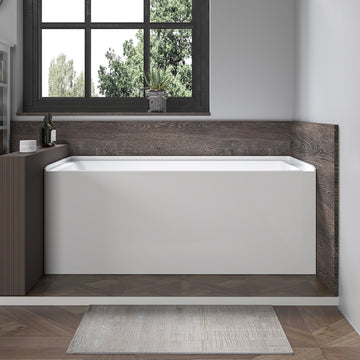
- Rectangular tubs: Architectural and minimalist; often preferred in modern or spa-style primary bathrooms.
Consider how the tub will look alongside your vanity, flooring, and wall tile. A tub is a focal point — its shape and finish should feel intentional, not like an afterthought.
Budgeting Realistically: Tub Cost vs. Total Project Cost
The purchase price of the tub is only one part of the total cost. A realistic budget should include:
- Tub purchase price (acrylic tubs typically range from $500 to $1,500; stone resin from $1,200 to $4,000+)
- Floor-mounted faucet and supply lines
- Plumber labor for drain and supply rough-in adjustment
- Floor reinforcement if needed
- Finishing materials — tile, trim, caulk
- Delivery and placement (freestanding tubs are bulky; white-glove delivery may be worth the cost)
Getting multiple plumber quotes before you finalize the tub selection is always worthwhile. Installation complexity varies significantly depending on existing conditions.
Frequently Asked Questions
Do freestanding bathtubs require special installation compared to alcove tubs?
Yes. Freestanding tubs typically require floor-mounted drain and supply rough-ins rather than wall connections. If you are converting from an alcove installation, a plumber will need to relocate or cap existing lines and create new ones in the correct position for the freestanding tub's drain outlet.
How much water does a freestanding tub use compared to a standard tub?
Standard alcove tubs hold around 40 to 60 gallons. Many freestanding soaking tubs, especially deeper oval or rectangular styles, hold 60 to 80 gallons or more. This affects both water and water-heating costs per use. If daily baths are part of your routine, factor this into your long-term utility expectations.
Can I install a freestanding tub in a small bathroom?
Yes, but size selection is critical. A 55-inch freestanding tub can fit in bathrooms where a larger soaking tub would feel cramped. The key is maintaining enough clearance around the tub for comfortable use and cleaning — at minimum 6 inches on all sides, and ideally more on the entry side.
Ready to start shopping? Browse the full freestanding tub collection at VanityArt to find the right fit for your bathroom and budget.