


















If you're ready to invest in a home sauna, the options can feel overwhelming fast. This home sauna buying guide breaks down the three main indoor sauna types—traditional Finnish, infrared, and steam—so you can match the right unit to your space, budget, and health goals before you spend a dime. Whether you're carving out a corner of your basement or dedicating a full room, the differences between these systems matter more than most buyers realize.
Traditional (Finnish) Saunas: The Original Dry Heat Experience
Traditional saunas use an electric or wood-burning heater to warm a pile of rocks, which then radiates heat throughout the room. Air temperatures typically reach 160–195°F, and users pour water over the rocks to create short bursts of steam called löyly. This raises humidity briefly before it dissipates.
- Heat source: Electric heater or wood-burning stove
- Temperature range: 160–195°F
- Humidity: Low (5–20%), with optional steam bursts
- Session length: 10–20 minutes per round
- Best for: Buyers who want an authentic, high-heat experience and have space for a dedicated wood-lined room
Traditional saunas require proper ventilation, a dedicated electrical circuit (usually 240V), and walls lined with heat-tolerant wood like cedar or hemlock. Pre-built indoor kits range from compact two-person units to six-person rooms. Installation costs vary widely depending on whether you're finishing a basement room versus dropping in a freestanding kit.
Infrared Saunas: Lower Temperatures, Deeper Penetration
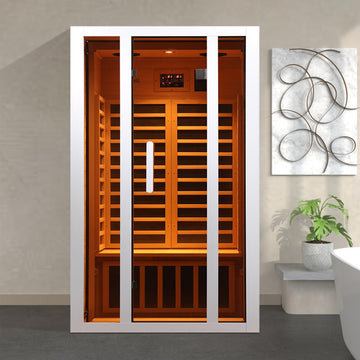
Infrared saunas skip the rock heater entirely. Instead, infrared panels—either near-, mid-, or far-infrared—emit radiant energy that warms your body directly rather than heating the surrounding air first. This is the same type of warmth you feel from sunlight without the UV radiation.
- Heat source: Infrared emitter panels (carbon, ceramic, or full-spectrum)
- Temperature range: 120–150°F
- Humidity: Very low (essentially dry)
- Session length: 20–45 minutes
- Best for: Buyers with limited space, those sensitive to extreme heat, or anyone looking for a plug-and-play setup
Because operating temperatures are lower, infrared saunas are easier on the cardiovascular system for many users. Most indoor units plug into a standard 120V outlet (larger models use 240V), making installation straightforward. They heat up in 10–15 minutes versus 30–45 minutes for a traditional sauna, which means lower electricity costs per session. The trade-off is that you won't get that intense, enveloping heat or the ritual of pouring water on rocks.
Carbon vs. ceramic panels: Carbon panels distribute heat more evenly across a larger surface at slightly lower intensity. Ceramic panels get hotter faster and deliver more intense targeted heat. Full-spectrum models combine near-, mid-, and far-infrared wavelengths, which some buyers prefer for purported deeper tissue benefits.
Steam Saunas (Steam Rooms): High Humidity, Moderate Heat
A steam sauna—more accurately called a steam room—works opposite to a traditional sauna. A steam generator pushes continuous wet steam into a fully enclosed, waterproof room, raising humidity to 100% at temperatures between 100–120°F. The combination of heat and saturated moisture creates a dramatically different sensation from dry saunas.
- Heat source: Electric steam generator
- Temperature range: 100–120°F
- Humidity: Near 100%
- Session length: 10–20 minutes
- Best for: Buyers who want respiratory benefits, softer skin effects, or prefer moist heat over dry heat
Building a steam room at home requires more construction than an infrared kit. The enclosure must be completely sealed and tiled with a waterproof membrane—no wood walls. You'll need proper drainage in the floor, a ceiling with a slight pitch to prevent condensation drips, and adequate ventilation to protect surrounding structures from moisture damage. If you're already planning a bathroom renovation, integrating a steam shower enclosure is often the most cost-effective approach.
Home Sauna Buying Guide: Key Factors to Compare Side by Side
Now that you understand each type, here are the practical variables that should drive your final decision.
- Space: Infrared kits fit in a spare closet or corner (as small as 3×3 ft). Traditional saunas need at least 4×4 ft and ceiling height clearance. Steam rooms must be built into existing bathroom or wet room space.
- Electrical requirements: Small infrared units use 120V/15A. Most others require a dedicated 240V circuit. Budget $200–$600 for electrical work if your panel needs upgrading.
- Installation complexity: Infrared = easiest (assemble and plug in). Traditional kit = moderate (assembly plus electrical). Steam room = most complex (construction, waterproofing, plumbing for drain).
- Operating cost: Infrared is typically the cheapest to run. Traditional saunas use more energy per session due to longer heat-up time. Steam generators use significant electricity and water.
- Maintenance: Traditional and infrared require minimal upkeep—occasional wood cleaning and panel inspection. Steam rooms need regular cleaning of tile and the steam generator to prevent mineral scale buildup.
- Budget range: Entry-level infrared units start around $800–$1,500. Quality traditional kits run $2,000–$6,000+. Custom steam rooms can exceed $10,000 installed.
Choosing the Right Size for Your Home
Sauna capacity is measured by the number of people who can use it comfortably at one time. For solo or couples use, a two-person unit is sufficient and keeps costs manageable. For families, a four-person unit makes more sense even if you rarely use it at full capacity, because the larger bench area improves comfort for a single user lying down.
Standard ceiling height for a home sauna is 7 feet. Going lower reduces heat efficiency because warm air rises—you want your head in the hottest zone when seated on the upper bench. Measure your intended space carefully, accounting for the thickness of wall panels and any framing you'll need to add.
Health and Safety Considerations Before You Buy
Home saunas are generally safe for healthy adults, but a few practical guidelines apply regardless of type:
- Consult a doctor before regular sauna use if you have cardiovascular conditions, low blood pressure, or are pregnant.
- Never use a sauna while consuming alcohol.
- Keep cold water within reach and exit immediately if you feel dizzy or faint.
- Children under 12 should use saunas only with adult supervision and at lower temperatures and shorter durations.
- Ensure your home's flooring can support the weight of the unit—a six-person traditional sauna can weigh 800–1,200 lbs fully assembled.
How a Home Sauna Fits Into a Larger Bathroom Remodel
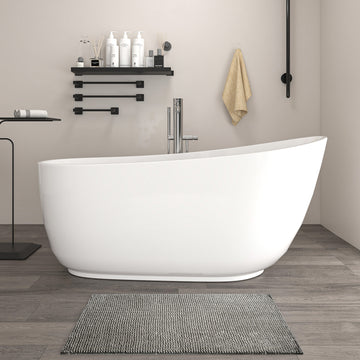
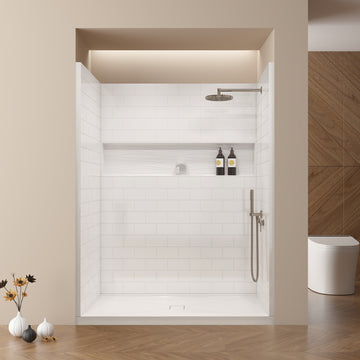
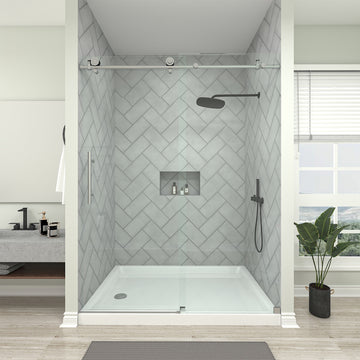
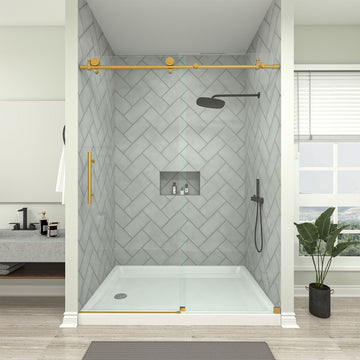
Many homeowners add a sauna as part of a broader bathroom or basement wellness upgrade. If you're already replacing fixtures, it's worth coordinating the sauna purchase alongside other bathroom improvements to consolidate contractor visits and potentially reduce total project cost. Pairing a sauna with a refreshed bathtub for a hot-cold contrast routine, updated shower doors for a steam-ready enclosure, or new vanities for a cohesive spa-like aesthetic makes practical sense both financially and aesthetically. You can also browse VanityArt's sauna collection to see ready-to-install indoor sauna options that are sized for US homes.
What to Look for in Sauna Build Quality
Not all sauna kits are built equally. Before purchasing, evaluate these quality indicators:
- Wood type: Clear cedar and hemlock are the gold standard for traditional saunas—they resist warping and have low resin content. Avoid saunas using low-grade pine or particleboard in the heat chamber.
- Panel thickness: Walls should be at least 1.5 inches thick for adequate insulation. Thin walls lose heat quickly and spike electricity bills.
- Door glass: Tempered glass doors are non-negotiable for safety. Look for a full glass door if you want to monitor occupants from outside.
- Control panel: Digital controls with a timer and temperature readout are more reliable than analog dials. Remote or app-based controls are a convenience worth paying for if you want the sauna preheated before you step in.
- Warranty: Look for at least a one-year warranty on the heater and structure. Reputable brands offer three to five years on the heating element.
Frequently Asked Questions
Can I install a home sauna myself, or do I need a contractor?
Most two- or three-person infrared saunas and pre-cut traditional sauna kits are designed for DIY assembly with basic tools and take four to eight hours for two people. However, you'll almost always need a licensed electrician to wire the dedicated circuit, regardless of sauna type. Steam rooms require a licensed plumber and waterproofing contractor—DIY is not recommended.
What's the real difference between near-, mid-, and far-infrared?
Near-infrared wavelengths penetrate tissue more shallowly and are associated with skin surface benefits. Mid-infrared reaches slightly deeper into soft tissue. Far-infrared penetrates deepest and is what most home units use for core warming. Full-spectrum saunas combine all three, but research specifically supporting distinct health claims for each wavelength in consumer saunas is still limited—focus on build quality and comfort over marketing language about wavelengths.
How much does it cost to run a home sauna per month?
A two-person infrared sauna used four times per week at 45 minutes per session typically adds $10–$25 to your monthly electricity bill depending on your local rate. A traditional electric sauna with longer heat-up time costs roughly $20–$50 per month under similar use patterns. Steam rooms vary significantly based on generator size and local water and electricity rates but generally run $30–$70 per month for comparable use.
Ready to shop? Browse VanityArt's indoor sauna collection to find pre-built units sized for US homes and backed by the same quality standards as our best-selling bathroom fixtures.