

























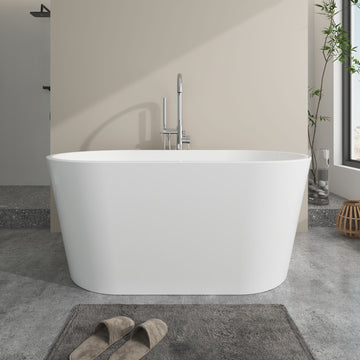























If you own a stone resin bathtub, you already know how much it elevates the look of a bathroom. The smooth matte finish, the solid weight, the way it holds heat — it's a fixture that earns its place. But knowing how to clean a stone resin bathtub properly is just as important as choosing the right one. Use the wrong product once and you risk dulling the surface or causing micro-scratches that accumulate over time. This guide walks you through exactly what to use, what to avoid, and how to build a simple maintenance routine that keeps your tub in top condition for years.
What Makes Stone Resin Different From Other Tub Materials
Stone resin is a composite material made from natural stone powder — often crushed quartz or limestone — blended with a resin binder. The result is a dense, non-porous surface that is heavier than acrylic, more resistant to chipping than porcelain-enameled steel, and naturally warm to the touch.
Because it's non-porous, stone resin doesn't absorb water or harbor bacteria the way grout or porous stone does. However, the surface can still be affected by harsh chemicals, abrasive scrubbers, and prolonged mineral buildup. Understanding this helps you choose cleaning methods that protect rather than damage the finish.
Browse VanityArt's full lineup of stone resin tubs to see the range of styles and sizes available.
Everyday Cleaning: What to Use After Each Bath
Routine cleaning after each use is the single best thing you can do for a stone resin tub. It takes less than two minutes and prevents buildup from ever becoming a real problem.
- Warm water rinse: After draining, rinse the entire interior with warm water to wash away soap residue and body oils.
- Mild dish soap: A few drops of gentle, non-abrasive dish soap on a soft cloth or sponge handles most light grime without harming the surface.
- Microfiber cloths: These are ideal for stone resin. They're soft enough to avoid scratching and effective at picking up residue without needing heavy pressure.
- Dry after cleaning: Wipe the tub down with a dry cloth after rinsing. This prevents water spots and mineral deposits, especially in areas with hard water.
Avoid leaving standing water in the tub for long periods, particularly if your home has hard water. Mineral deposits can etch into the finish over time if they're allowed to sit and dry repeatedly.
How to Clean a Stone Resin Bathtub for Deeper Grime
Even with regular upkeep, you'll occasionally deal with soap scum, body oil buildup, or light mineral deposits. For deeper cleaning, the key is still choosing gentle products and giving them time to work rather than scrubbing aggressively.
- White vinegar solution: Mix equal parts white vinegar and warm water in a spray bottle. Spray on the surface, let it sit for 5–10 minutes, then wipe clean with a soft cloth. This handles most soap scum and light hard water deposits.
- Baking soda paste: For more stubborn spots, mix baking soda with just enough water to form a paste. Apply it to the affected area, let it sit for 10 minutes, then wipe away gently. Rinse thoroughly afterward.
- Stone-safe bathroom cleaners: Products labeled safe for natural stone or composite surfaces are generally appropriate. Look for pH-neutral formulas without bleach, ammonia, or abrasive particles.
Always rinse thoroughly after any cleaning agent — even natural ones. Residue left on the surface can attract more grime or, in the case of vinegar, cause dullness if it's not fully removed.
Cleaners and Tools to Avoid Completely
This is where most stone resin tub damage happens. Homeowners often reach for powerful cleaners assuming a tougher product means a cleaner tub. With stone resin, that logic backfires.
- Bleach and chlorine-based cleaners: These can discolor the surface and break down the resin binder over time.
- Abrasive scrub pads: Steel wool, rough sponges, and abrasive powder cleansers leave fine scratches that dull the finish and make the surface harder to clean in the future.
- Acetone, paint thinner, or turpentine: These solvents can damage the resin and should never be used near the tub.
- High-concentration acidic cleaners: Products designed for heavy-duty limescale removal often contain strong acids that can etch stone resin surfaces.
- Spray-and-scrub bathroom foams with grit: Many popular bathroom cleaners contain micro-abrasives. Check the label before using any product on a stone resin surface.
When in doubt, test any new cleaner on a small, inconspicuous area of the tub first and wait a few minutes before wiping it off.
Dealing With Hard Water Stains and Mineral Deposits
Hard water is a common issue across much of the United States. The calcium and magnesium minerals it carries leave white, chalky deposits on bathroom surfaces, and a stone resin tub is no exception.
For regular hard water spots, the white vinegar spray method described above works well when done consistently. For heavier buildup that has been left for a while, try this approach:
- Soak a cloth or paper towels in undiluted white vinegar.
- Lay the soaked cloth directly on the stained area and leave it for 20–30 minutes.
- Remove the cloth and wipe the area with a soft sponge using gentle circular motions.
- Rinse thoroughly with warm water and dry completely.
If mineral buildup is a recurring problem, consider installing a water softener or attaching a filtered showerhead near the tub. Preventing the deposits is far easier than removing them after the fact.
Scratch Prevention: Protecting the Surface Day to Day
Stone resin is more scratch-resistant than acrylic, but it's not indestructible. Preventing scratches is mostly a matter of habit.
- Never use metal tools: Avoid setting metal razors, shaving canisters, or hardware directly on the tub surface. Use a tub caddy or shelf instead.
- Use a non-slip bath mat with soft backing: A mat with suction cups and a smooth rubber back is safer than one with rough textures that can drag across the surface.
- Be careful with bath products: Heavy glass bottles, loofahs with plastic handles, and hard accessories should be kept off the tub floor when not in use.
- Avoid sitting or standing on the rim: Stone resin is strong but concentrated pressure on unsupported rim sections can cause stress cracks over time.
Long-Term Care and Periodic Maintenance
Beyond daily and weekly cleaning, a few periodic steps will extend the life and appearance of your stone resin tub significantly.
- Apply a stone or composite tub wax 2–4 times per year: A thin layer of carnauba wax or a product specifically designed for composite stone surfaces adds a protective barrier, makes cleaning easier, and restores a subtle sheen to the finish. Apply with a soft cloth, let it cure for a few minutes, then buff gently.
- Inspect the drain seal annually: Check the drain gasket and caulk around the base of freestanding tubs once a year. Cracked or missing caulk allows water to seep underneath, which can cause subfloor damage and eventually loosen the tub's position.
- Recaulk as needed: Use a mold-resistant, flexible silicone caulk rated for bathroom use. Remove old caulk completely before applying a new bead for the best adhesion.
- Address chips promptly: Small chips can be repaired with stone resin repair kits available at hardware stores. Left unaddressed, chips can expand and become harder to fix cleanly.
If you're also refreshing other parts of your bathroom, VanityArt carries a full range of freestanding tubs, bathtubs, and complementary fixtures to complete the space.
Pairing Your Tub With the Right Bathroom Fixtures
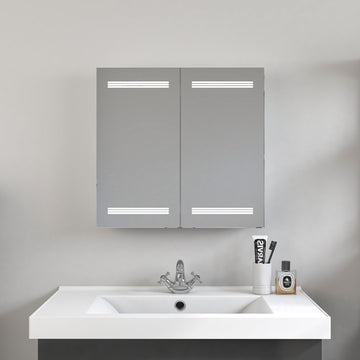
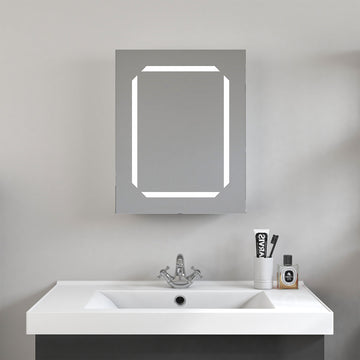
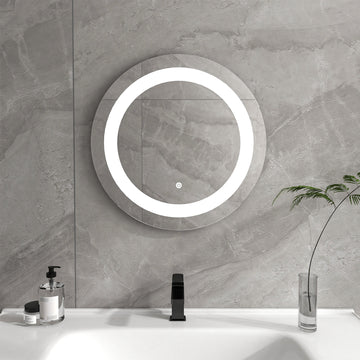
A well-maintained stone resin tub looks its best when it's surrounded by quality fixtures that match in finish and feel. If you're updating the rest of the bathroom alongside your tub, it's worth thinking about the full picture — vanity, mirror, and storage.
VanityArt's bathroom vanities and mirrors are designed to complement freestanding and built-in tub styles. Matching finishes across fixtures creates a cohesive look that makes the whole bathroom feel intentional rather than assembled from mismatched parts.
Frequently Asked Questions
Can I use Magic Eraser on a stone resin bathtub?
Magic Erasers are mildly abrasive and can leave fine scratches on a stone resin surface with repeated use. An occasional, very light use on a stubborn spot may be acceptable, but they should not be part of your regular cleaning routine. A baking soda paste is a safer alternative for tougher spots.
How often should I deep clean a stone resin tub?
A thorough deep clean every two to four weeks is sufficient for most households. If you use the tub daily, a quick rinse and wipe after each use will reduce how often deep cleaning is necessary. In hard water areas, check for mineral deposits weekly and address them early before they build up.
Will essential oils or bath bombs damage a stone resin tub?
Most bath bombs are safe for stone resin if the tub is rinsed thoroughly afterward. However, oils — including essential oils and bath oils — can leave a residue that builds up over time and becomes slippery and difficult to remove. Rinse the tub completely after any oil-based bath product and wipe it down with a mild soap solution to break up any oil film.
A stone resin tub is a long-term investment that rewards consistent, gentle care — explore VanityArt's complete collection of stone resin bathtubs to find the right fit for your bathroom.