
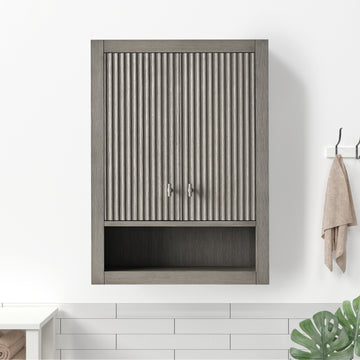
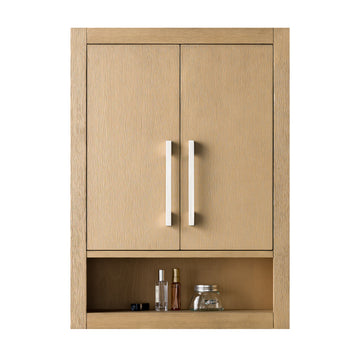



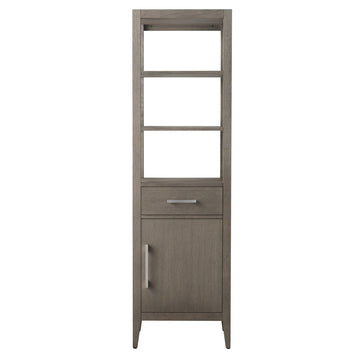
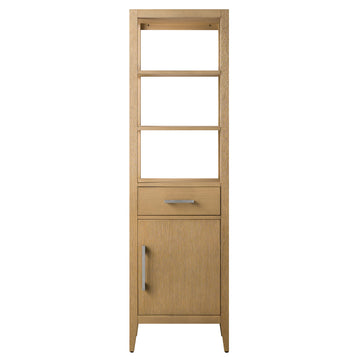








Choosing between a pedestal sink vs vanity cabinet is one of the first — and most consequential — decisions in any bathroom remodel. Both options have real strengths, but they serve different priorities. One opens up floor space; the other keeps your toiletries organized. One suits a powder room perfectly; the other carries a full master bath. This guide breaks down exactly what each option offers, where each one falls short, and which bathrooms are genuinely better suited to one over the other.
What Is a Pedestal Sink?
A pedestal sink is a freestanding basin supported by a column-style base that sits directly on the floor. The base conceals the drain and supply lines — though not completely — and the sink bowl sits at counter height. Pedestal sinks come in a wide range of styles, from streamlined contemporary profiles to ornate traditional designs with sculpted bases.
They require wall-mounted plumbing connections and typically rely on wall anchors or a backing board inside the wall for structural support. Installation is straightforward for an experienced plumber, but the wall prep is non-negotiable.
What Is a Vanity Cabinet?
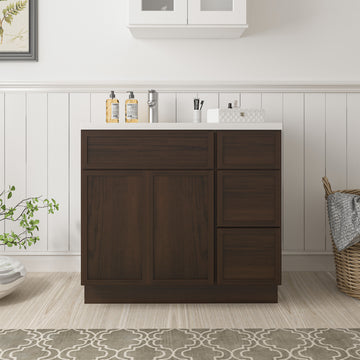
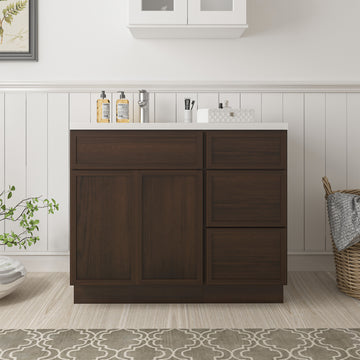
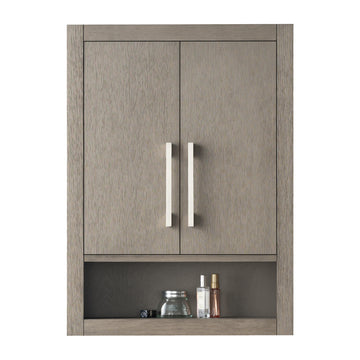
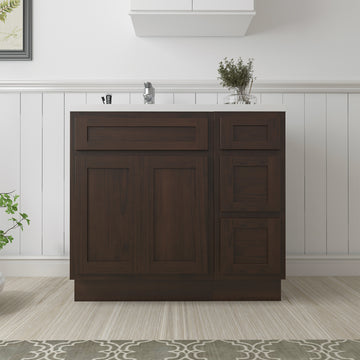
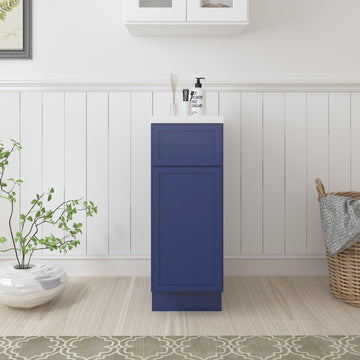
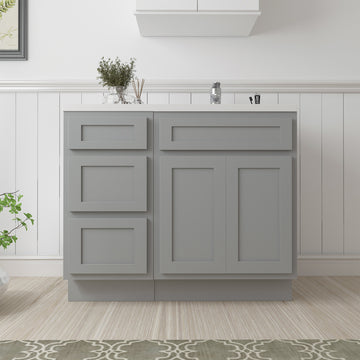
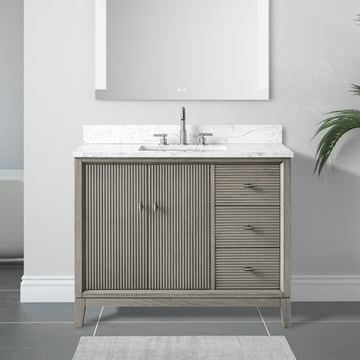
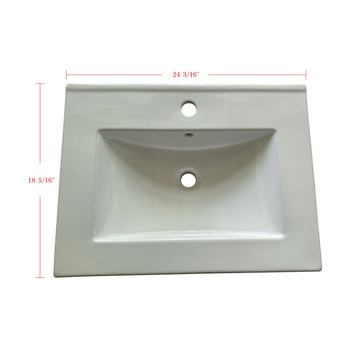
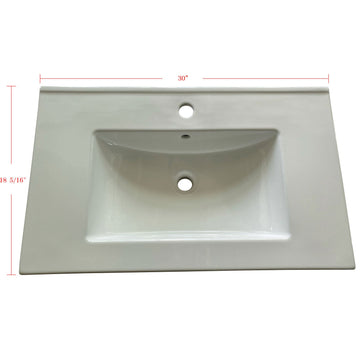
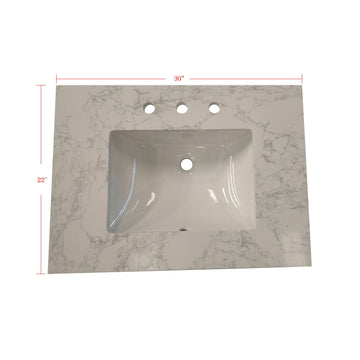
A vanity cabinet is a freestanding or wall-mounted unit that combines a sink, countertop, and enclosed storage below. Cabinets come in single-sink and double-sink configurations, with door-and-drawer combinations that vary by model. The plumbing runs inside the cabinet, completely out of sight. Countertop materials range from ceramic and quartz to marble-look engineered stone, and sink styles include undermount, vessel, and integrated options.
Browse VanityArt's full vanity collection to see the range of sizes, finishes, and configurations available.
Pedestal Sink vs Vanity Cabinet: Storage Comparison
Storage is the single biggest functional difference between these two options, and it's worth being direct about it.
- Pedestal sink: Provides zero built-in storage. Everything — soap, toothbrushes, medications, cleaning supplies — must go somewhere else. That means wall cabinets, over-toilet shelving, or a linen closet nearby. If none of those exist, your countertop and floor get cluttered fast.
- Vanity cabinet: Provides meaningful storage directly under the sink. A 30-inch single vanity can hold cleaning products, spare toiletries, and hair tools with ease. A 60-inch double vanity gives two people dedicated drawer and cabinet space without sharing.
If your bathroom doubles as the only storage space in a hallway bath or guest bath, a vanity cabinet is almost always the more practical choice. Pedestal sinks work when storage exists elsewhere — or when the bathroom is used so infrequently that storage demand is minimal.
Plumbing Exposure: Aesthetics and Access
Pedestal sinks partially hide the drain and supply lines behind the column base, but the pipes are still visible from certain angles — especially from the side. For some design styles, this is intentional and attractive. For others, it reads as unfinished.
Vanity cabinets fully enclose all plumbing inside the cabinet box. The space under the sink looks clean from every angle. The tradeoff is access: if you need to shut off the water supply or deal with a slow drain, you're opening a cabinet door rather than simply reaching behind a pedestal.
From a maintenance perspective, both options provide reasonable access. Vanity cabinets with soft-close doors tend to be slightly easier to work with because the interior is well-lit once the door opens and the layout is predictable.
Small Bathroom Suitability
This is where pedestal sinks have a genuine, practical advantage. Because there is no cabinet box extending out from the wall, a pedestal sink leaves more open floor space. In a bathroom under 40 square feet — like a half bath or a galley-style powder room — this matters. Open floor space makes the room feel larger, and it makes movement around the toilet and door easier.
That said, vanity manufacturers have responded to small-bathroom demand with narrow designs. A floating vanity mounted to the wall rather than sitting on the floor creates the same visual effect as a pedestal sink — open floor space — while still delivering storage. A wall-hung vanity as narrow as 24 inches can work in a tight bathroom without sacrificing the cabinet entirely.
- Pedestal sinks: Best for bathrooms under 35 sq ft with limited traffic and minimal storage needs
- Narrow floating vanities: Best for small bathrooms where storage is still needed
- Full-depth freestanding vanities: Best for bathrooms 50 sq ft and larger
Style and Design Flexibility
Pedestal sinks have a classic, architectural quality that suits traditional, farmhouse, and transitional interiors well. They draw attention to themselves as a design object in a way that a standard vanity does not. If the sink is a focal point — particularly in a powder room where guests spend just a few minutes — a pedestal can elevate the room's visual identity.
Vanity cabinets offer broader design flexibility because they come in more configurations. You can pair a vessel sink vanity with a statement bowl for a contemporary look, choose an undermount sink vanity for a clean, seamless surface, or go with a double-sink model for a master bath that sees heavy morning use. Finish options — white, gray, espresso, navy, natural wood — make it easier to match existing tile and fixture colors.
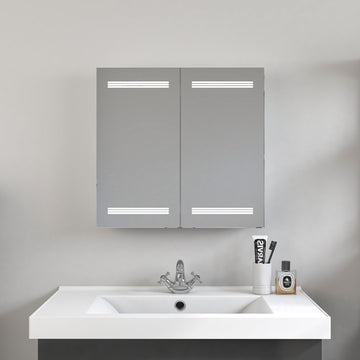
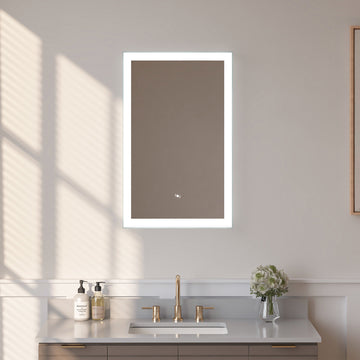
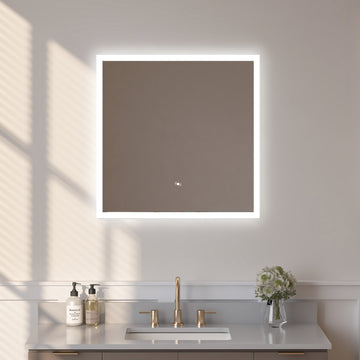
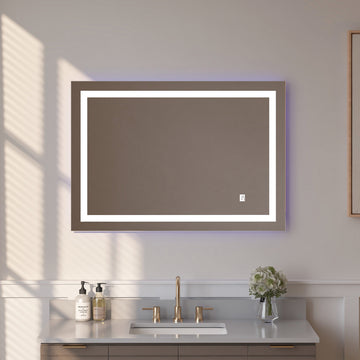
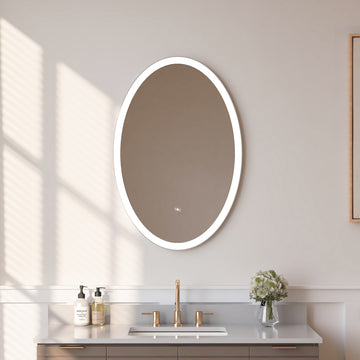
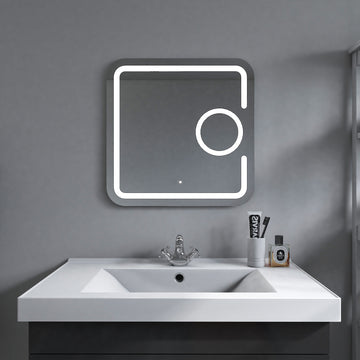
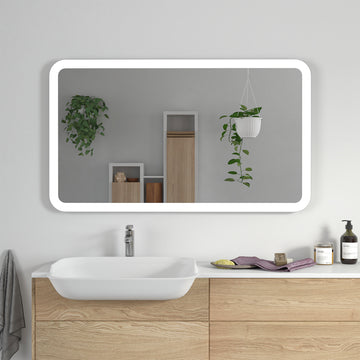
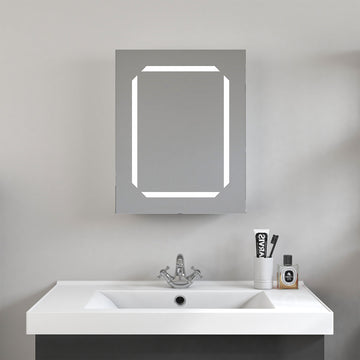
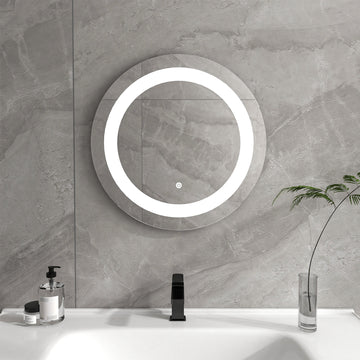
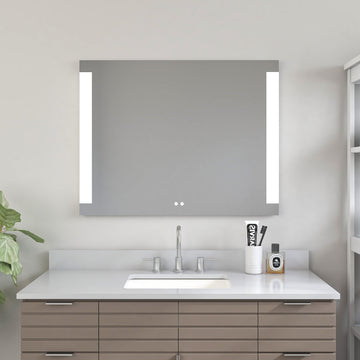
Mirrors are a related consideration. A vanity often pairs with a framed mirror or medicine cabinet directly above it. Explore bathroom mirrors including LED mirror options that complement both vanity and pedestal sink setups with task lighting built in.
Cost Considerations
Pedestal sinks generally cost less upfront than vanity cabinets of comparable quality. A mid-range pedestal sink typically runs $150–$500 for the fixture itself. Installation costs are modest if the rough plumbing is already in the right position.
Vanity cabinets range from $300 to well over $2,000 depending on size, material, and hardware. However, the storage they provide often eliminates the need for additional wall cabinets or shelving units — costs that can offset the price difference. Factor in total storage solution cost, not just the fixture price, when making the comparison.
Best Use Cases: When to Choose Each Option
Choose a pedestal sink when:
- You're finishing a powder room or half bath with very light use
- The room is under 35 square feet and floor space is the priority
- Storage exists elsewhere (linen closet, medicine cabinet, built-in shelving)
- You want a traditional or formal design with architectural character
- Budget is tight and you're comfortable adding storage solutions separately
Choose a vanity cabinet when:
- The bathroom is a primary or shared bath used daily by one or more people
- You need organized storage for toiletries, cleaning products, or medications
- You want a complete, finished look without visible plumbing
- You're doing a full remodel and want long-term functionality
- The room is large enough to accommodate a standard-depth cabinet comfortably
View the full best-selling bathroom fixtures to see which styles are most popular with US homeowners right now.
Frequently Asked Questions
Can I add storage to a bathroom with a pedestal sink?
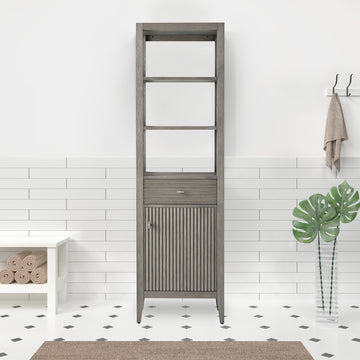
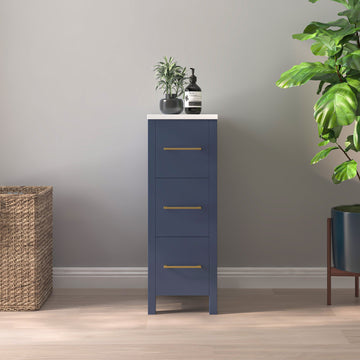
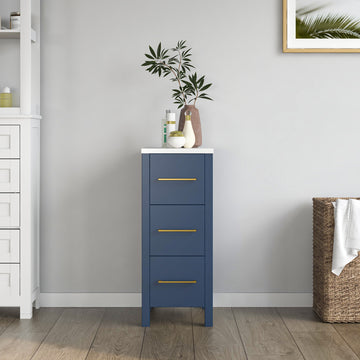
Yes. Common solutions include recessed medicine cabinets above the sink, wall-mounted open shelving on adjacent walls, over-toilet storage units, and freestanding towel racks with shelves. None of these are as convenient as under-sink cabinet storage, but they can compensate reasonably well in a low-traffic bathroom.
Is a pedestal sink harder to keep clean than a vanity?
The sink bowl itself is roughly the same effort to clean. The base of a pedestal sink collects dust and requires wiping around the column. Under a vanity cabinet, the floor area is enclosed, so there's no exposed base to clean — but the cabinet interior needs occasional wiping. Overall cleaning effort is comparable; it's mostly a matter of where you're directing the effort.
What is the standard depth of a vanity cabinet, and will it fit in a small bathroom?
Standard vanity depth is 21–22 inches. Shallow or slim vanities are available at 16–18 inches deep, which helps in tight spaces. Wall-hung floating vanities visually reduce bulk even at standard depth by keeping the floor visible beneath the unit. Measure your bathroom's clearance from the sink wall to the opposite wall or door swing before selecting a depth.
Whether you're leaning toward a streamlined pedestal or a fully functional vanity cabinet, browse VanityArt's vanity collection to find the right size, style, and configuration for your bathroom.